Daksh Pandey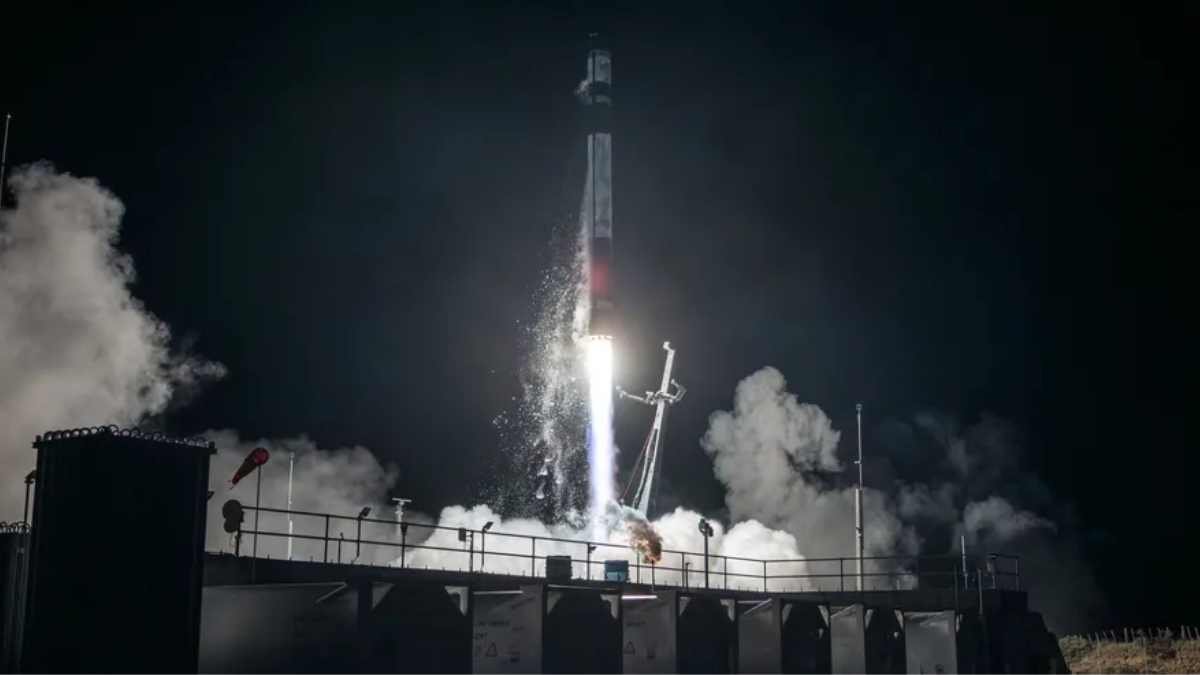
The recent launch by Rocket Lab of test satellites for Europe’s next-generation navigation system marks a milestone in the evolution of global positioning technology.
This mission, carried out with the European Space Agency (ESA) is a leap toward building a more resilient, accurate and independent navigation infrastructure for Europe.
🌍
1. Background: Why Europe Needs a Next-Gen Navigation System
navigation today relies heavily on satellite constellations like:
* GPS (United States)
* GLONASS (Russia)
* BeiDou (China)
* Galileo (Europe)
Europe already operates Galileo, a navigation system. However relying on one orbital layer has limitations:
* Signal delays
* Vulnerability to interference
* Limited redundancy
To overcome these issues ESA launched the Celeste program, a new initiative aimed at adding a low Earth orbit (LEO) navigation layer.
👉 This is where Rocket Lab’s mission becomes important.
🛰️
2. The Mission: “Daughter of the Stars”
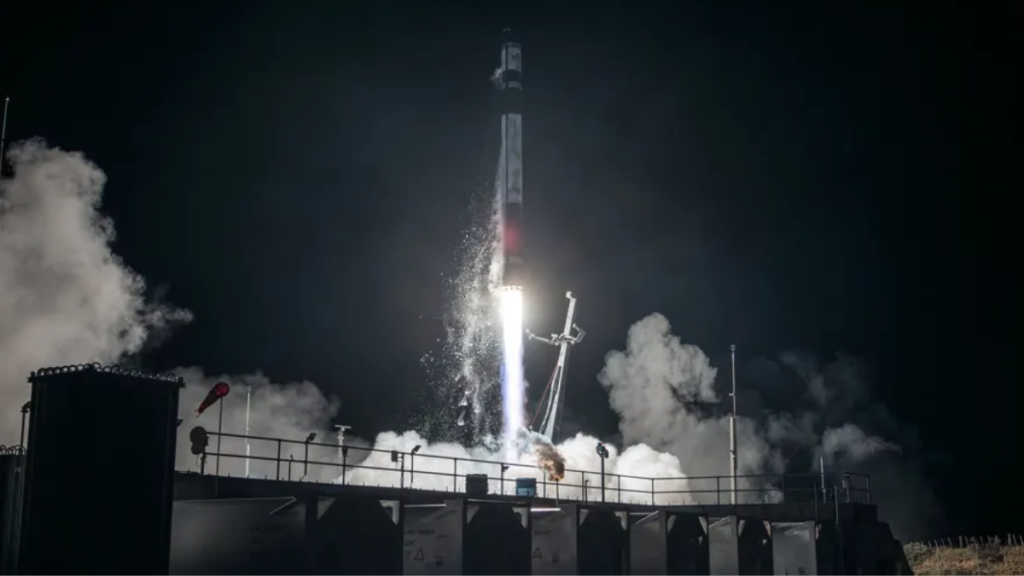
Rocket Lab launched two test satellites as part of ESA’s Celeste program.
Key Mission Details:
* Launch vehicle: Electron rocket
* Launch site: New Zealand
* Orbit: ~510 km above Earth (LEO)
* Purpose: Technology demonstration
The mission successfully deployed:
* First satellite ~20 minutes after launch
* Second satellite ~4 minutes later
These are the two satellites in a planned 11-satellite demonstration constellation.
🧠
3. What is the Celeste Navigation System?
Celeste is a next-generation navigation concept designed to work with Galileo.
Core Idea:
* Add a layer of satellites in low orbit
* Work together with existing systems
* Improve accuracy, speed and reliability
The Celeste system and Galileo will create a -orbit navigation system.
⚙️
4. Why Low Earth Orbit (LEO) Matters
LEO satellites are much closer to Earth.
Advantages:
* Stronger Signals
* Lower Latency
* Better Resilience
* Higher Accuracy
ESA aims to boost performance and resilience through this LEO layer.
🔬
5. Purpose of These Test Satellites
These two satellites are not operational yet. They are designed for:
* Testing Objectives:
+ Signal transmission from LEO
+ Compatibility with Galileo
+ Performance in real-world conditions
This phase is called an “in-orbit demonstration”.
If successful ESA will proceed to launch remaining satellites.
🌐
6. Applications of the New System
The Celeste system will impact industries, such as:
* Transportation
* Maritime
* Consumer Technology
* Emergency Services
* Agriculture & IoT
The system will support IoT, aviation, maritime and disaster response sectors.
🌍
7. Strategic Importance for Europe
This project is not just technological—it’s geopolitical.
🇪🇺 Key Goals:
* Independence from US GPS and other foreign systems
* Security and military reliability
* Competitiveness with SpaceX and global satellite networks
* Innovation Leadership in space technology and next-gen navigation
🚀
8. Role of Rocket Lab
Rocket Lab is emerging as a player in the small satellite launch market.
Why ESA Chose Rocket Lab:
* Reliable Electron rocket
* Cost- launches
* Expertise in payload deployment
This mission was Rocket Lab’s 78th Electron launch.
📡
9. Future of the Celeste Program
Planned Roadmap:
* Launch total of 11 satellites (demo phase)
* Evaluate system performance
* Expand into a constellation
Eventually this could lead to a fully operational LEO navigation network.
🔮
10. Broader Impact on Global Navigation
The success of this mission could reshape navigation worldwide.
Key Trends:
* Shift toward -orbit systems
* Integration of LEO, MEO and possibly GEO satellites
Navigation is evolving from single systems to hybrid networks.
The launch of test satellites by Rocket Lab for ESA’s next-generation navigation system represents a turning point in satellite navigation technology.
Key Takeaways:
* First step toward a LEO-based navigation layer
* Designed to complement Galileo
* Improves accuracy, speed and reliability
* Strengthens Europe’s independence
In simple terms this mission is, like upgrading GPS from a single network to a multi-layer smart system—faster stronger and more reliable.