Daksh Pandey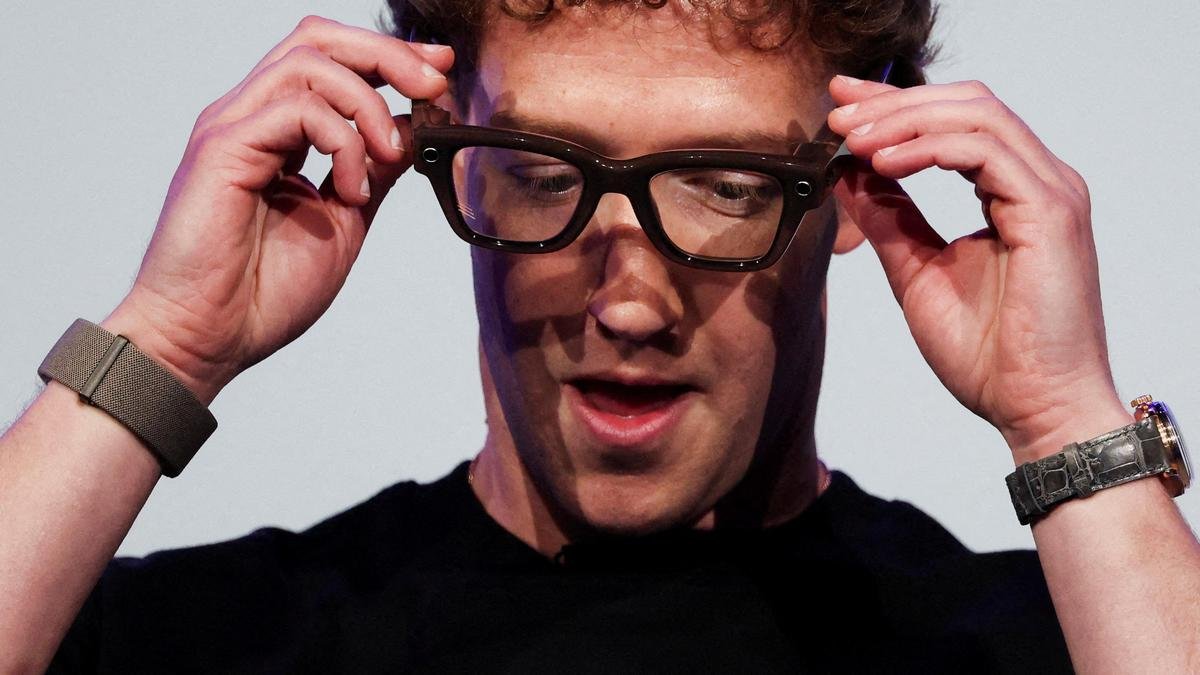
The controversy over Kenya investigating privacy concerns related to Metas Ray-Ban glasses is part of a big global debate about artificial intelligence, surveillance, data ethics and user consent.
1. What is the issue?
In 2026 Meta Platforms, which used to be called Facebook got into trouble after reports showed that footage from its Ray-Ban glasses might have been looked at by human workers in Kenya.
These smart glasses, made with Ray-Ban let users do things like:
* Record videos and photos
* Use intelligence to look at their surroundings
* Talk to the glasses using voice commands
It was found out that sensitive user data, including private moments might have been seen by people who were not supposed to see it, which led to:
* Lawsuits
* Investigations by the government
* Debates about ethics
Kenya is a part of this because people in Kenya who work with data might be looking at this content.
2. What triggered the controversy?
2.1 Investigative reports
This issue came up after some media outlets in Europe did some investigating and found out that:
* Workers in Nairobi Kenya were looking at video and audio data
* The content included personal and private moments
* Users often did not know that people were looking at this content
Some examples of the footage that was reported include:
* People using the bathroom
* People getting undressed
* Private things that happen in the home
* information like credit cards
One report had workers saying:
“We see everything from living rooms to naked bodies.”
2.2. Global backlash
After these things were found out:
* Meta got sued in the U.S.
* The government in Europe started looking into it
* People who care about privacy said that there need to be safeguards
The lawsuits say that:
* Meta was not honest about its privacy claims
* Users did not give consent
* Sensitive personal data was exposed
3. Why is Kenya involved?
3.1 Role of Kenyan data workers
Kenya is a place for companies to send their artificial intelligence data work like:
* Labeling pictures and videos
* Looking at what artificial intelligence comes up with
* Helping to train machine learning systems
Meta used a company in Nairobi, where:
* Workers look at intelligence data by hand
* The content helps make Metas artificial intelligence systems better
3.2 Nature of the work
Artificial intelligence systems are not fully able to work on their own. They need humans to:
* Understand what is going on
* Make them more accurate
* Find mistakes
This means that:
* When users use intelligence features like asking the glasses to look at something
* The data might be sent to servers. Then looked at by humans
3.3 Why Kenya is probing the issue
The people in charge in Kenya are looking into:
* If workers are seeing unethical content
* If the way data is handled is against privacy laws
* How workers are treated
Some of the concerns are:
* How looking at content affects workers
* That workers do not know what they are looking at
* That big tech companies are not being
4. How Metas smart glasses work
4.1 Core features
Meta Ray-Ban glasses can:
* Take pictures and videos
* Use intelligence to help the user
* Recognize things in time
* Record and play back audio
4.2 Data flow
When a user takes a video or picture:
* The data stays on the device by default
* If the user uses intelligence features:
* The data might be sent to Metas servers
* It might be used to make the artificial intelligence better
* Some of the data might be looked at by humans
It is important to know that:
* Meta says that only data that is shared or used by intelligence is looked at
* Critics say that users do not fully understand this process
5. Key privacy concerns
5.1 Lack of informed consent
users:
* Do not read the terms of service
* Do not know that their data might be looked at
This raises questions like:
* Is consent really informed?
* Are users misled by what companies say?
5.2 Third-party access to data
The biggest concern is:
* That private content is being seen by strangers
Some problems with this are:
* That faces are not always hidden
* That private moments are being seen
* That data is being sent across borders
5.3 on or hidden recording fears
Even if the glasses are not always recording:
* They are hard to notice
* People nearby might not know they are being filmed
This can cause:
* Social discomfort
* The possibility of misuse, like secret recording
5.4 Voice data collection
Another big issue is:
* That voice commands are stored in Metas cloud
* That they cannot be fully turned off
* That they might be kept for up to a year
6. Ethical concerns
6.1 Surveillance society
Smart glasses make it hard to know what is:
* Public
* Private
* Being recorded
* Just being looked at
Critics say that:
* We might be moving towards a society where we are always being watched
* It will be harder to get consent
6.2 Exploitation of data workers
Workers in Kenya are:
* Seeing disturbing content
* Not getting help for their mental health
* Being paid low wages
This raises questions about:
* How fair it is to treat data workers
* If it’s right to send harmful work to developing countries
6.3 Power imbalance
Meta is in control of:
* Collecting data
* Artificial intelligence systems
* Global infrastructure
Users and workers have:
* Little control or visibility
7. Legal implications
7.1 Data protection laws
Some laws that might have been broken are:
* GDPR in Europe
* Data protection laws in Kenya
* Consumer protection laws in the U.S.
Some issues with this are:
* Sending data across borders
* Not being transparent
* Not having safeguards
7.2 Liability questions
Who is responsible if privacy is violated?
* Meta, the company that made the platform?
* Users, who recorded the content?
* Contractors, who looked at it?
This is still not clear.
8. Metas response
Meta has said that:
* Most data stays on the users device
* Only shared content is looked at
* Having humans look at data is normal for training intelligence
But:
* Critics say that Metas policies are not clear
* There is not transparency
* Users do not fully understand what is going on
9. Broader global reaction
9.1 Growing distrust of Big Tech
This controversy adds to:
* Past scandals about privacy involving Meta
* People being more skeptical of intelligence
9.2 Regulatory momentum
Governments around the world are:
* Thinking about making stricter laws about artificial intelligence
* Looking at the risks of technology
* Examining how to protect citizens
9.3 perception
Many users feel:
* Uncomfortable wearing or being around smart glasses
* Worried about being recorded without knowing it
10. Why this matters for the future
10.1 Rise of AI
Smart glasses are just the start:
* Augmented reality glasses
* Artificial intelligence assistants
* Devices that are always on

10.2 Redefining privacy
Some important questions are:
* What is private in spaces?
* Should consent be required to record something?
* Who owns the data that is captured?
10.3 Regulation vs innovation
Governments have to balance:
* Helping innovation
* Protecting citizens
The investigation in Kenya into Metas Ray-Ban glasses is a critical point in the artificial intelligence era.
At its core the controversy is about:
* Trust. Can users trust tech companies with their data?
* Transparency. Are companies honest, about how they use data?
* Ethics. Is it okay to have workers look at content?
The fact that Kenya is involved shows an issue:
* Artificial intelligence is not just technology. It is powered by human labor behind the scenes
As smart devices become more a part of daily life this case is a warning:
* Without safeguards innovation can come at the cost of privacy, dignity and human rights.