Daksh Pandey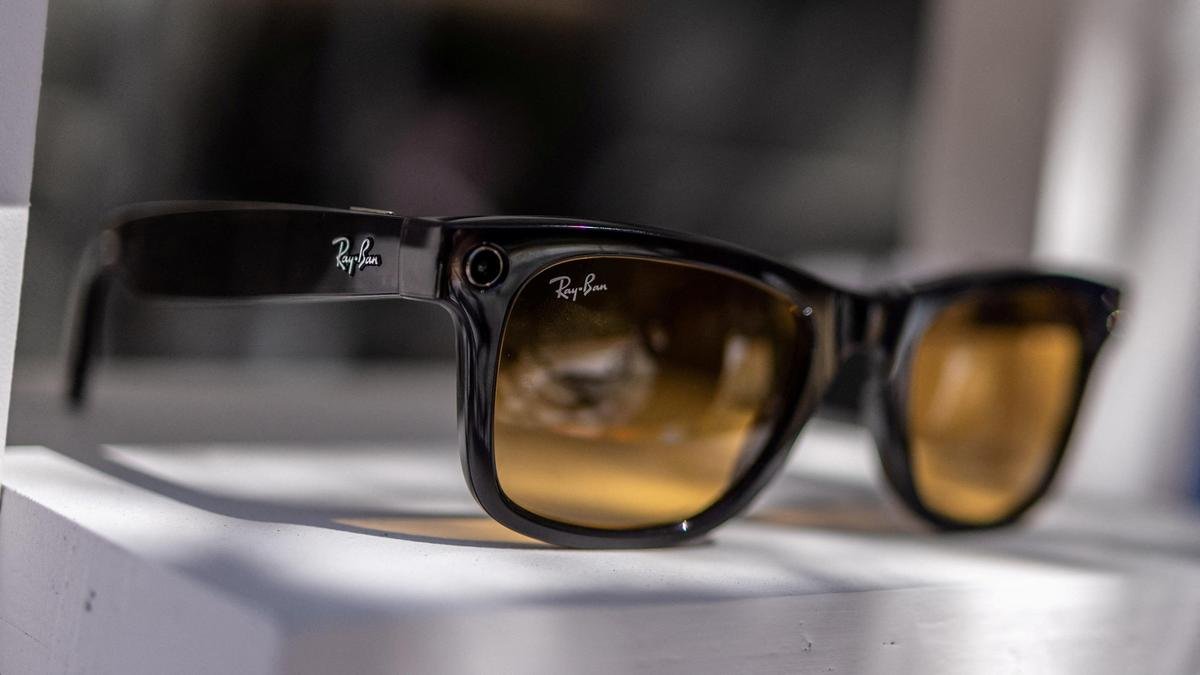
The rapid growth of intelligence (AI) technologies has brought revolutionary products to consumers, including smart wearable devices such as AI-powered glasses.
However these innovations have also sparked debates about privacy, data protection and corporate accountability.
A recent controversy involving Meta Platforms—the parent company of Facebook, Instagram and WhatsApp—illustrates these concerns vividly.
Meta is currently facing a class-action lawsuit in the United States after reports revealed that sensitive footage recorded by its AI glasses—including nudity and sexual activity—was allegedly viewed by human contractors hired to train the company’s artificial intelligence systems.
The allegations have triggered discussion about how AI systems are trained, how personal data is handled and whether companies are transparent about the risks associated with new technologies.
### 1. Rise of AI Smart Glasses
#### 1.1 The vision behind Meta’s technology
Meta has invested heavily in developing AI-powered wearable devices, particularly smart glasses.
The company sees these devices as the major computing platform after smartphones.
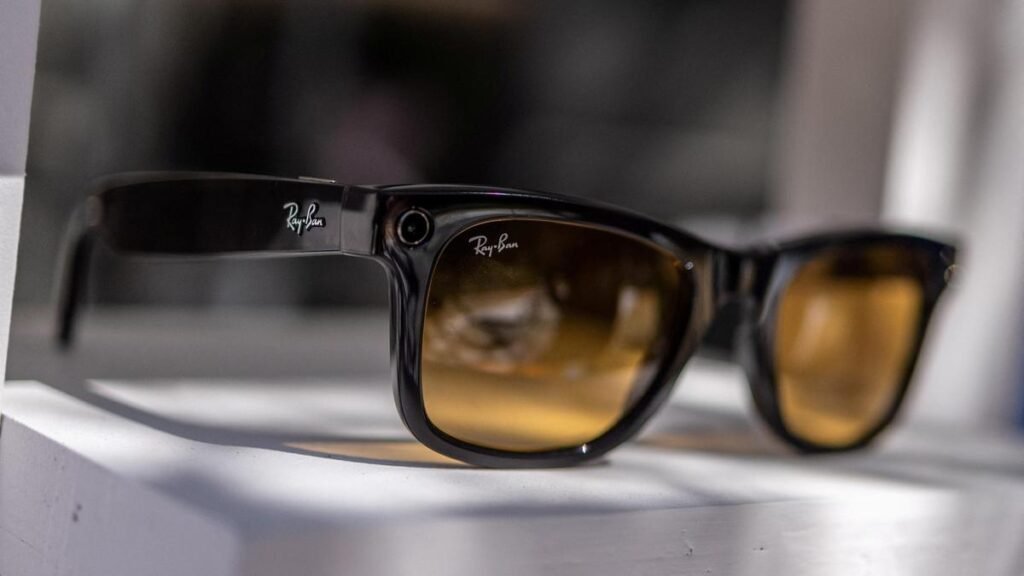
The glasses—developed with eyewear giant EssilorLuxottica—combine cameras, microphones, speakers and AI software.
They allow users to:
* Capture. Videos from a first-person perspective
* Ask questions to an AI assistant
* Translate languages in time
* Identify objects and landmarks
* Stream video to social media
Meta has marketed the product as a hands-free AI assistant integrated into everyday life.
According to reports than 7 million units were sold in 2025 showing strong consumer interest in wearable AI devices.
#### 1.2 How the glasses use intelligence
The glasses rely heavily on AI systems to interpret images and audio captured by their cameras and microphones.
For example:
* The device can recognize objects in the user’s environment.
* It can answer questions about what the user’s seeing.
* It can translate language.
To train these AI systems companies often use datasets of images, videos and conversations.
In cases human reviewers—called data annotators—label the data so that AI models can learn patterns.
This process is common in the AI industry.
However the Meta controversy highlights how such training processes can raise privacy concerns when the data comes from consumer devices.
### 2. Investigation That Triggered the Lawsuit
#### 2.1 journalists uncover the practice
The controversy began when investigative journalists from Swedish newspapers Svenska Dagbladet and Göteborgs-Posten reported that contractors working for Meta were reviewing footage captured by the smart glasses.
These contractors were reportedly based in Nairobi, Kenya working for a data-annotation company called Sama.
Their job was to examine images and videos collected by the glasses and label them to improve Meta’s AI systems.
However the journalists discovered that the footage included sensitive and private content, including:
* Nudity
* Sexual activity
* People using the bathroom
* Private conversations
* Financial information such as bank cards
Workers said they often saw personal moments that users likely never intended to share.
One worker reportedly said:
“We see everything—from living rooms to bodies.”
#### 2.2 Contractors reportedly saw extremely private footage
According to reports some videos showed:
* Individuals undressing in bedrooms
* Couples having sex
* People using toilets
* Personal documents or bank cards
Workers suggested that the people in the footage may not have realized they were being recorded because the glasses were worn by someone nearby.
This created a scenario:
A person wearing glasses might record a moment involving others who never consented to being filmed and the footage could later be reviewed by contractors thousands of miles away.
### 3. How the Footage Reached Human Reviewers
#### 3.1 Data collection process
When users interact with Meta’s AI features—such as asking the glasses a question about what they’re seeing—the device sends data to Meta’s servers for processing.
This data may include:
* Photos and videos captured by the camera
* Audio recordings
* AI queries made by the user
Meta’s terms of service state that the company may review interactions with its AI systems either automatically or manually (by humans).
Human reviewers help label data so that AI models can learn to recognize objects, actions and environments.
#### 3.2 Why human review is used in AI
Human reviewers are often used to:
* Label objects (car, dog, building, etc.)
* Identify actions (walking, cooking, driving)
* Assess AI responses
* Detect errors in AI systems
However this process becomes controversial when the data contains intimate moments.
The investigation suggested that privacy filters—such as face blurring—did not always work properly meaning identifiable individuals could appear in the footage.
### 4. The Lawsuit Against Meta
#### 4.1 Who filed the lawsuit
A class-action lawsuit was filed in the United States by two consumers:
* Gina Bartone (New Jersey)
* Mateo Canu (California)
They are represented by the Clarkson Law Firm, which has previously filed cases against technology companies.
The lawsuit targets:
* Meta Platforms
* Luxottica of America (the manufacturer of the glasses)
#### 4.2 Main legal allegations
The lawsuit accuses Meta of violations including:
1. False advertising
Plaintiffs argue that Meta marketed the glasses using phrases such as:
“Designed for privacy”
“Built for your privacy”
“Controlled by you”
Consumers claim these statements suggested their recordings would remain private.
2. Misleading privacy claims
The lawsuit alleges that Meta failed to inform users that their recordings might be reviewed by human contractors.
According to plaintiffs the company did not prominently disclose this possibility in its advertising or product descriptions.
3. Violation of consumer protection laws
The complaint also claims Meta’s practices violated:
U.S. Consumer protection laws
Privacy regulations
Contractual agreements with users
The plaintiffs are seeking:
* damages
* Changes to Meta’s advertising
* Stronger privacy protections
### 5. Meta’s Response
Meta has responded to the controversy by defending its data practices.
The company says:
* Human review occurs when users share content with Meta AI.
* The process helps improve AI performance.
* Privacy protections such as face blurring are used.
However critics argue that these safeguards may be insufficient.
Some reports also claim that when users activate the “Hey Meta” voice assistant recordings may automatically be stored in the cloud for processing.
### 6. Role of Outsourced AI Labor
#### 6.1 The global AI data workforce
Many tech companies rely on workers in developing countries to train AI systems.
These workers:
* Label images and videos
* Review AI outputs
* Filter content
In this case the workers were reportedly based in Kenya.
#### 6.2 Ethical concerns for workers
The situation raises concerns not only about privacy but also about the workers themselves.
Some annotators reported feeling uncomfortable reviewing personal footage but felt unable to refuse the assignments.
One worker reportedly said questioning tasks could risk losing their job.
This highlights an issue in the AI industry: the hidden labor behind AI training.
### 7. Regulatory Scrutiny
The controversy has drawn attention from regulators.
For example:
* The UK Information Commissioner’s Office has launched an investigation into the privacy implications of the glasses.
Governments are increasingly concerned about how AI companies collect and process user data.
Smart glasses raise challenges because they can record people without their knowledge.
### 8. Broader Privacy Concerns with Smart Glasses
#### 8.1 present cameras
Smart glasses introduce new surveillance risks because they:
* Are always worn on the face
* Can record discreetly
* Capture everything the user sees
Unlike smartphones people nearby may not realize they are being filmed.
#### 8.2 Risks to bystanders
A major issue is bystander privacy.
Even if the wearer consents to recording people nearby may not.
Examples include:
* Friends at home
* People in places
* Family members
* Colleagues
Their images may still appear in recorded footage.
### 9. Meta’s History of Privacy Controversies
The lawsuit is part of a history of privacy disputes involving Meta.
Over the years the company has faced:
* Data protection fines in Europe
* Lawsuits over data
* Criticism over advertising practices
For example:
* The EU fined Meta €1.2 billion for transferring user data to the United States in violation of privacy laws.
These controversies have shaped perception of the company’s approach to user data.
### 10. Future of AI Wearables
Despite the controversy AI smart glasses are likely to become more common.
Major technology companies are investing heavily in AI devices, including:
* Meta
* Apple
* Samsung
Experts believe these devices could eventually replace smartphones.
However the success of this technology will depend on trust.
Consumers must believe that companies:
* Protect their data
* Provide transparency
* Respect privacy
### 11. Possible Outcomes of the Lawsuit
The lawsuit could have possible outcomes:
1. Financial penalties
Meta could be ordered to pay damages to affected consumers.
2. Product changes
The company may need to modify how its glasses collect or process data.
3. Stronger privacy disclosures
Regulators may require warnings about data sharing.
4. Industry-wide reforms
The case could influence privacy rules for all AI wearables.
The lawsuit against Meta over its AI glasses highlights the growing tension between technological innovation and personal privacy.
While smart glasses promise capabilities—from real-time translation to AI-assisted vision—they also introduce unprecedented risks.
Reports that contractors reviewed footage recorded by the glasses have sparked global concern about transparency, consent and data security.
Critics argue that Meta did not clearly inform users that their recordings could be viewed by reviewers potentially violating consumer protection laws.
Beyond the case itself the controversy reveals deeper challenges facing the AI industry: the reliance on human data annotators the difficulty of protecting privacy in always-recording devices and the need, for stronger oversight of emerging technologies.
As AI wearables become more common companies will have to design systems that balance ideas with being responsible. This lawsuits result could greatly affect how private we can be in a world with artificial intelligence.
The way companies handle AI wearables will be important. They must make sure these devices are both new and helpful but fair and respectful to users.
The future of our lives will depend on it.
Companies are under pressure to get it right.
Lawsuits like this one will help shape the rules around AI and privacy.
The outcome will be important, for all of us.