Daksh Pandey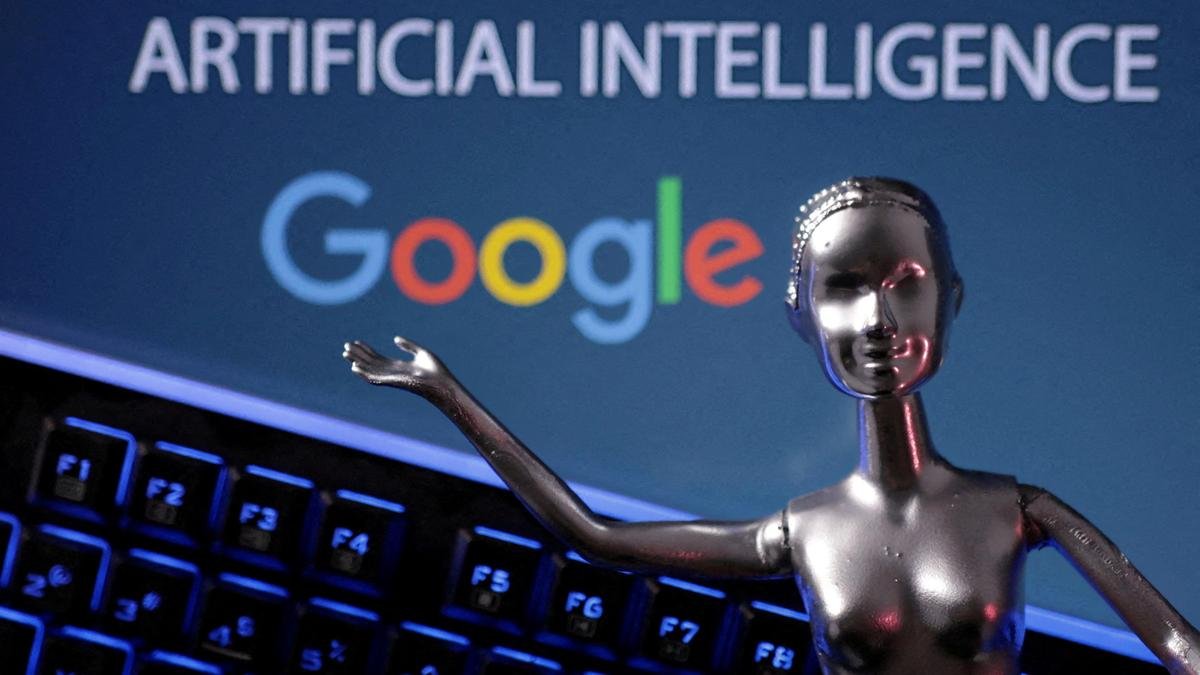
A new artificial intelligence tool from Google is making waves. This thing can take some text or a picture. Turn it into a whole new 3D world that you can actually explore. It is really cool.
When people found out about this AI from Google something weird happened. The value of some gaming companies went down really fast. This included Unity Software and Roblox which were affected a lot.
People who buy and sell stocks were trying to figure out what this new AI from Google means for companies that make games. They wanted to know what happened and why everyone is so upset.
So what does it all mean for the gaming industry and the new AI, from Google? Below I will go through the story from start to finish: the technology, how the market works what is likely to happen in the short term and the long term, for developers and investors and some important things to think about.
The quick version (tl;dr)
• Google came up with a thing called a world model, which a lot of people are calling Project Genie. This Project Genie can make interactive 3D scenes from things that people tell it to do.
• After the announcement traders started selling shares of companies that could be impacted like Unity Software, Roblox Corporation and Take-Two Interactive. This led to losses, for some of these companies with their shares falling by ten percent or more in some cases. The shares of Unity Software and other affected companies, including Roblox Corporation and Take-Two Interactive saw declines.
• The market is moving because people are scared that generative AI will take over a lot of the work that goes into making games, which means people will not need the game engines and tools as much and that will affect the people who work on games.. The truth is, this new technology is not that great yet it can only make short videos and you have to pay to use it. It is not very smooth. A lot of experts think that everyone is overreacting to the news, about AI and the game industry.
What exactly did Google show?
Google made an artificial intelligence prototype with the help of the DeepMind and Google Labs teams. This artificial intelligence is special because it can create its worlds. Googles artificial intelligence prototype can make three spaces that you can explore and simple characters that you can control. You can tell Googles intelligence prototype what you want it to make with just words or pictures.
It can put together what things look like how they behave and how they interact with each other in a short time. People who write about this say that Googles artificial intelligence prototype can only make things that last for sixty seconds right now. You can only get to these things if you pay for a subscription, to Googles services like Gemini Ultra or AI Ultra. Googles artificial intelligence prototype is very exciting because it can make all sorts of interesting things. People who write for newspapers tried this thing. They said it was pretty cool. They saw some fun demos, like building castles out of marshmallows that you can play with. These demos are interactive which means you can do things with them. They do not work perfectly and have some problems. They are also not like the games you normally play they are something. The demos of this thing are not games, like the ones you are used to.
That alarm went off because the demonstration showed that an Artificial Intelligence could speed up or do some of the work in the stages of creating a world designing levels and making content for games. These are the things that companies sell to people who make games and to publishers. The Artificial Intelligence could help with worldbuilding, level design and content generation, which’s a big deal.
The market reaction is what we are looking at here. We want to know what the numbers looked like. So let us take a look at the market reaction and see what the numbers tell us. The market reaction is important because it shows us what the numbers looked like after everything was said and done. We can learn a lot from the market reaction and the numbers that came out of it.
* The market reaction was something that a lot of people were waiting for
* We were all wondering what the numbers would look like
The market reaction is still, on our minds and we are still looking at what the numbers looked like.
The day after they made the announcement a lot of news places said that the numbers went down fast:
Unity Software had some drops in its value. It went down by around twenty percent. Some places said it was twenty one to twenty four percent. That was just, during the day.
Roblox is doing really badly. It has gone down by a lot, around eleven to thirteen percent. The numbers, for Roblox are not good all. Roblox has dropped roughly double-digit percentages, which’s a big deal. This is what has been reported for Roblox, a decrease of eleven to thirteen percent.
Take-Two Interactive — reported down by about 7–10% in various feeds.
Market moves like this are usually a mix of people selling because they are ordinary people panicking because of headlines and some people trying to make a quick profit by selling short. The news about Google did not say that Google has a product that can replace Unity or Roblox right now. It just made investors think that maybe one day it will be easier to create worlds because a lot of the work can be done automatically. This is what the demo of Google made people think about that world creation could be a lot easier in the future, with Google.
People get really scared when they invest money and things do not go as planned. This is because of the way our minds work and how the system is set up. The psychology of investors and the mechanics of the market can make people panic. Make bad decisions.
The psychology of investors is a part of this. When investors see that their money is not making much as they thought it would they start to worry. They think about all the things that could go wrong. This makes them even more scared. The mechanics of the market also play a role. When a lot of people are selling their stocks it can make the price go down. This can make more people want to sell and it can start a big chain reaction.
Investors and the way they think is very important. Investors need to understand how their minds work and how the market works. This can help them make decisions and not panic when things get tough. The mechanics of the market are also very important. Investors need to know how the market works and what can make it go up or down.
The psychology and mechanics of investors and the market is what causes people to panic. Investors need to be aware of this and try to stay calm. They should think carefully before making any decisions. Not let their emotions take over. This can help them make decisions and avoid losing a lot of money. Investors and their money are very important so they need to be careful and make choices.
For people who have invested in Unity or Roblox the main idea is that making games is an expensive process that requires a lot of time from developers. Unity and Roblox provide the tools that game makers need.. What if a new artificial intelligence system comes along and starts doing some of the work that these developers do? This could be news for Unity and Roblox because it could mean they make less money. When something, like this happens the people who decide how much these companies are worth have to redo their math. This can cause a lot of people to sell their shares in Unity and Roblox quickly which can drive down the price.
People talk about something called narrative acceleration. This means that stories or ideas about markets can make them move. The idea that Artificial Intelligence will be able to create games quickly is a simple and exciting story. This story spreads fast on social media and in notes, from brokers. Even if the actual demonstration of this idea is not very impressive the story itself can still affect prices before anything actually changes. The story that Artificial Intelligence will create games instantly is what people are paying attention to.
Tech stocks and gaming stocks are in a spot. They have high prices and people are feeling pretty unsure about them. This is because some of these companies had to let people go they are not growing fast as they used to and they are not making as much money as they thought they would. So when something big happens it can make a difference and people get really surprised. Many tech stocks and gaming stocks are like this they are just waiting for something to happen and then they will be, over the place.
Markets are really crazy these days. There are these things called retail feedback loops. So what happens is that modern markets make a deal out of headlines. This gets the attention of investors and regular people who trade stocks. They like to follow the trend.
When there are a lot of stories in the news it triggers something called stop-losses. This means people automatically sell their stocks when they think they are going to lose money. There is also something called margin-driven selling. This is when people have to sell their stocks because they borrowed money to buy them and now they owe more than the stock’s worth. All of this selling makes the market really unpredictable and volatile. The algorithmic and retail feedback loops just make the whole situation, with the markets more intense.
The future of Artificial Intelligence is really unclear. This means that investors are not sure what to do. They usually try to play it when they are not sure about something. So they might sell some of their Artificial Intelligence stocks until things become clearer. The next big piece of news, about Artificial Intelligence like how money a company made or if they got a new license will decide what happens to the prices of Artificial Intelligence stocks. If the news is good the prices of Artificial Intelligence stocks might go up.. If the news is bad the prices of Artificial Intelligence stocks might stay low.
Project Genie is an interesting thing. It is like a computer system that tries to understand the world. People also call these kinds of systems “world models”. So what does Project Genie actually do?
It does a lot of things. Project Genie tries to learn about the world. How things work. It is like a brain that takes in a lot of information and tries to make sense of it.
There are also things that Project Genie does not do at least not yet. Project Genie is not perfect. It cannot do everything that people can do. For example Project Genie is not very good at understanding things that are not based on numbers or facts.
Here are some things that Project Genie can do:
* Learn from a lot of data
* Make predictions about what might happen
* Help people make decisions
And here are some things that Project Genie cannot do:
* Understand how people feel
* Make decisions on its own
* Know everything, about the world
Project Genie is still a thing and people are still working on it. They want to make Project Genie better and more useful. Maybe one day Project Genie will be able to do all the things that people can do.. For now it is just a tool that can help us with some things. Project Genie is a start but it is not the end.
What the company does: they make things and provide services to people the company is involved in a lot of activities the company does things for their customers the company makes products and sells them to people the company provides services to help people what the company does is very important, to them the company does things to make people happy.
We can make 3D worlds that you can look around and interact with. These worlds will have pictures, things that you can move around and simple characters that you can control. You can tell us what you want to see with a few words or a picture. We will make these worlds, like short stories that you can play with.
When we are working on aesthetics and level concepts we want to get things done quickly. The model can do in minutes what a team of people would take hours or days to do. This means we can try out lots of ideas for a scene really fast. We do not have to wait a time to see what something will look like. The model helps us to make things faster so we can move on to the thing. This is really helpful, for prototyping because we can try lots of things and see what works best for environmental aesthetics and level concepts.
What the people do not do yet:
You can make games that people will really enjoy with things like saving your progress playing with friends getting better as you play and hearing great music and sound effects. Some people who write about games said that the clips made by computers are not very interesting now. For example they do not have a lot of sound the goals are not clear and you cannot play them for a long time. You need to think about how to make money from these games and how to get content into them. Commercial games with states, like multiplayer systems are really cool and people love them when they have good audio design and content pipelines.
You can easily get our tools to work with the game engines you already use when you are making a game. The things our tools make might need a lot of work after they are made and people will have to look at them to make sure they are good enough to be used in a game that people can buy.
We need to find ways to do things instead of relying on the connections and networks that big game engines and platform companies provide. These companies usually offer things like software development kits help for developers places to buy and sell things ways to measure how things are doing and tools to make money from ads. The business relationships and ecosystems that large game engines and platform companies offer, such as software development kits and developer support need to be replaced. This also includes things, like marketplaces, analytics and ad or monetization stacks that the business relationships and ecosystems of game engines and platform companies provide.
The demos are a deal when it comes to technology. This world model is really something new.. There is a huge difference between a short demo made by artificial intelligence and actually using it to replace the work that professional developers do every day. The demos are a technical milestone and this world model is novel but the gap, between a short AI-generated demo and mass commercial substitution of professional development workflows is very long.
This is what I think about how it could affect parts of the ecosystem.
It could affect the water in the ecosystem.
The water is an important part of the ecosystem.
It could also affect the animals that live in the ecosystem.
For example it could affect the birds and the fish and other animals that depend on the ecosystem.
Here are some specific parts of the ecosystem that could be affected:
* The plants that grow in the ecosystem
* The animals that live in the ecosystem
* The water that flows through the ecosystem
It could change the way the ecosystem works.
The ecosystem is, like a system and it could affect the whole system.
It could affect the ecosystem in ways.
The ecosystem is an important thing and we need to take care of it.
We need to think about how it could affect the ecosystem.
Game engines and middleware (e.g., Unity)
People are worried that if designers can use Artificial Intelligence to make game environments cheaply it might hurt Unitys business. This is because Unity makes money by selling licenses to use its game engine. If Artificial Intelligence can do some of the things that Unitys game engine does then designers might not need to buy Unitys licenses. This could mean that Unity sells licenses or makes less money from each license it sells. The Artificial Intelligence could be a problem for Unity because it could do some of the things that Unitys game engine does but cheaper and faster. This is a concern, for investors who have money in Unity.
Here are some points to think about: Unity is not something that makes assets it is a whole system that includes a runtime, editor, physics and a way to export to many platforms plus it has a huge group of plugins, services and big customers. A lot of people who study this stuff say that the demo should be seen as something that works with Unity, a tool that can add assets and levels to what Unity does rather, than something that replaces Unity. Unity already has plans to add tools that use intelligence to help people make things so the company could work with others or add these tools to what they already do instead of being left out.
User-generated platforms (e.g., Roblox)
I am worried about Roblox now. The main thing that makes Roblox special is that millions of people create games and fun things on Roblox Studio. If these people can use intelligence to make worlds quickly then Roblox might have a problem. The problem is that it could make all the creative things on Roblox seem special. It could also make it easier for people to leave Roblox and go to platforms. This is a deal, for Roblox because it relies on all the cool things that people make on the platform. If it is easy to make these things and they are not special anymore then people might not want to use Roblox much. This could hurt Roblox and the people who make things on it.
The thing about Roblox is that it relies on the community the connections between people, the tools that help with money and trade making sure everything is fair and finding ways for creators to get paid. These are all things that one artificial intelligence system cannot solve. User generated systems like Roblox work well because of the ideas that people have the feedback that people give to each other and the huge amount of content that is made by users. An artificial intelligence demo cannot make all of this happen in a way that people can trust and it cannot do it on a scale. Roblox needs all of these things to work together. That is something that artificial intelligence cannot do. The community and the creators of Roblox are very important, to its success.
Publishers (e.g., Take-Two)
I think the big concern is that publishers who work with developer studios might get really worried about having to pay money or not getting the kind of content they need. Some investors might picture a future where smaller teams make lots of games without spending much and that could mean everyone in the industry makes less money. Publishers could be in trouble if they have to pay more for games or if they cannot get the games they want. The idea of teams producing more games at a lower cost is a big worry, for publishers because it could change the whole industry.
Here are some points to consider:
* High-end games that everyone talks about are still really hard to make.
This is because they need people to come up with a story and make it look really cool.
They also need art and complicated systems that let lots of people play together at the same time.
All of this needs to be tested by people to make sure it works properly.
So, for now people are still really important when it comes to making these kinds of games.
* Companies that own popular game characters and have a lot of money to spend still have an advantage when it comes to making big and successful games.
These companies can use their game characters and money to make games that everyone wants to play.
The developer and labor question
So we are talking about something than just stock prices. The demo really brings up the side of things. It makes you think about the people who will be affected, like the developers who work on this stuff the artists who create the pictures the voice actors who do the voices the QA testers who check for mistakes and all the other workers who are involved in this. How will all these people be affected by the demo I mean the developers and the artists and the voice actors and the QA testers and the other workers?
People are really worried that they will lose their jobs because of automation. This is especially true for jobs that involve doing the tasks over and over. For example jobs that require making prototypes or creating filler assets may be automated. The industry has already seen a lot of job changes and layoffs. The new technology is making people anxious that more jobs will be lost because of automation. The automation of tasks, like level prototyping and filler assets is a big concern. Job displacement fears are real when it comes to the automation of these tasks.
The job is going to change a lot. We have seen this before with AI tools. They change the way people work. For example people who check writing for mistakes are now editors of things that AI systems have written. So designers and artists may become the people in charge of picking the things. They will be the ones to make sure the AI output is good enough to be used. They will be, like engineers who make sure everything works together well.. They will be the ones to make the final product something that is good enough to be shared with others. Designers and artists will do this by working with the AI output and making it better.
The effect of intelligence on jobs will depend on if it increases the amount of content people want to see or if it just replaces the work people are doing now. When we look at what has happened in the past with industries, like music and art we see that some people lost their jobs but new jobs were also created. It is not clear what will happen this time with intelligence.
Legal, ethical, and IP risks
Project Genie and similar systems were trained on amounts of information that probably have copyrighted game footage, pictures or other media in them. This brings up some tough questions, about Project Genie and similar systems:
Copyright and training data is an issue. Who owns the worlds that are made by intelligence if the model was trained on games or assets that belong to someone else? The people who own the content might want the creators of the intelligence to get a license or pay them for using their work to train the model. This is because the content owners want to be paid for the use of their games or assets as training material, for the intelligence. The artificial intelligence uses these games or assets to learn and make worlds so the content owners think they should get something in return.
Derivative content and plagiarism are issues. When you first start using these tools they can create things that look a lot like something. They might even copy things that’re easily recognizable. This happens unless the people who made the tools adjust them to prevent this from happening. The problem is that if something made by a computer program looks much like a protected work it can cause trouble. Derivative content and plagiarism can lead to disputes if the computer output is too similar, to something that is already protected.
Labor and consent are issues. Voice actors and the people who do motion capture are already upset. They do not like it when computers use their work to learn without asking them or paying them. This problem could also affect artists. If computers use the artists work to learn about the world the artists might get upset too. They might think it is not fair to use their work without permission or paying them.
The rules and laws will change. We will see companies talking about licenses. There might be court cases. The way things are done in the industry will probably change too especially when it comes to being open about the data that is used and paying people for it. Dataset transparency and compensation will be a part of this change. Companies will have to be more open about their datasets. They will have to think about compensation, for the people who help create these datasets.
Is the market reaction rational or an overreaction?
There are two reasonable views:
If you think Google can make a self-service environment generator that people will want to use this could really change how much money other companies in the same business will make in the long term. This means the prices of these companies on the market could change fast. Sometimes markets move quickly when they see a big risk that could change everything. Google making a competitive self-service environment generator would be a deal for other companies so the market could react fast, to this Google self-service environment generator.
A lot of people think the reaction to this product is too much. Many people who write about this stuff and analysts say that this product is still in the stages. It can only do clips and you have to pay to use it. It is also not easy to use for people who make games.
This has happened before with new technology, like virtual reality or artificial intelligence. People got really excited about it at first. It took a long time for it to actually be useful, for big businesses. Some analysts think that people are overreacting to this product. They say the technology is not good enough yet and the companies that already exist are not going to be replaced.
The thing that will decide which view is better is how well things are done. This means how fast Google can make things bigger and combine them. It also means if people who make things are willing to use the things that artificial intelligence comes up with when they’re working on real projects. The companies that are already big will also play a role. They will try to make their own artificial intelligence tools come up with new pricing plans and form new partnerships. Google and these other companies like the incumbents will all be important, in deciding which view wins. The view that wins will depend on Google and the incumbents.
Historical parallels and lessons
Cloud computing is very different from on-premises servers. When companies that provide cloud computing services first started they brought in technology that changed everything. Some big companies that made computer hardware saw the value of their companies change quickly.. Many of these companies were able to adapt. They did this by using a mix of cloud computing and, on-premises servers, which is called a model.. They focused on providing services that were more valuable. The main thing we learn from this is that big companies can be forced to change. They can often find new areas to focus on or use the new technology to their advantage. Cloud computing is an example of this.
AI image generation and stock reactions: When big models that turn text into images or code came out earlier in the decade people thought they would get rid of lots of jobs that need creativity.. That did not happen. Instead the industry. Now people work together with AI image generation models. Human expertise is still very important when it comes to AI image generation and stock reactions. AI image generation is a part of this change.
Hype cycles matter because they can really affect the price of technology. If you look at what has happened in the past you will see that the prices of technology can change a lot in an amount of time when new products are shown. This can be a problem for investors who buy or sell at the time. They might lose money if the basic reasons why the technology is valuable do not change enough. A smart investor knows the difference, between a change that is just because of excitement and a big change that is because something important has changed. Hype cycles and fundamental shifts are two things. The investor needs to understand what is really going on with the technology.
So the companies that are already established what can they do in response. What they will probably do
Some companies are going to add intelligence to the tools they already have, like Unity putting special features into their editor that can create new things. Companies that work with a lot of developers can include intelligence features as a bonus so they do not lose control of the artificial intelligence space. This way companies can use intelligence to make their tools better and keep control of the artificial intelligence space.
License: Instead of trying to beat each other the companies that make engines could work together with the companies that make Artificial Intelligence to put the things that Artificial Intelligence comes up with into their systems. They would have to make sure that big companies can control these systems. The engine companies could work with Artificial Intelligence providers to do this.
When you think about tooling and support and getting stuck with one platform it is really tough to copy everything that the big companies have. They have things like Engine APIs that work with lots of systems they can export to platforms they have big cloud build farms they have analytics to see how things are going and they have services to help make money. These are things that you cannot just make overnight. The companies that are already big can point out how strong they are, in these areas. They have. Support that is very good and this makes it hard for other companies to compete with them on platform lock-in.
We need to build tools for governance and intellectual property. These tools should help us verify where things come from show that they are genuine and make sure we have the licenses. This will make artificial intelligence generated assets to use for businesses and make sure they follow the rules. If people start to worry about intellectual property having these tools will be a big advantage, for our product. We are talking about governance and intellectual property tools so having good governance and intellectual property tools is very important.
People who like to think about investing and planning, for the future should think about this. Investment is a part of it. Strategy is also very important. When you are thinking about investment and strategy you have to consider a things. Investment and strategy go hand in hand. If you are someone who likes to think about investment and strategy then you should really consider this.
For investors:
Do not trade on headlines. You should check the basics of a company like how money they make and if they have enough cash to keep going. You should also look at how developers they have and if people like using their platform. Sometimes the price of something can go up and down a lot in a time. This can be a time to buy but it can also mean that there are real problems, with the company. You have to consider the revenue growth of the company and the cash runway they have and also the developer retention metrics and the platform stickiness.
It is an idea to watch what companies say. Listen to what they say when they talk about how money they made. Also pay attention to what the people in charge say. When they announce that they are working with other companies. This will show if these companies can change and keep up or if they will be left behind. What the people who analyze these companies say over the few months will be very helpful. The things these analysts say will tell us a lot, about the companies and their ability to adapt so we should pay attention to their notes about responses, especially the earnings calls and partnership announcements.
For developers and studios:
You should try out the tools to see if they are a good fit and to get a head start on using Artificial Intelligence in your daily work.
The sooner you get used to working with Artificial Intelligence tools like engineering and post-processing the better it will be, for you.
This will give you an advantage when you start working with Artificial Intelligence.
You will be able to use Artificial Intelligence in your workflows easily.
You need to protect your Intellectual Property and understand how licensing works. This means you should make some rules for your company about what information you share with Artificial Intelligences. You also need to think about whether you should get people to sign Non Disclosure Agreements or add clauses to your contracts with the people who provide these services. This is important, for your Intellectual Property.
For policymakers and rights-holders:
We need to talk about training data and make sure everything is out in the open. This includes things like money. Who owns the rights to the work. Now is the time to push for rules that help the people who create things like training data while also allowing new ideas to happen. We have to think about training data transparency and make sure it is fair for everyone. This means talking about royalties for training data and copyright rules, for training data.
Longer-term scenarios (3 possible futures)
We can expect something big to happen soon with world models. They will become an useful tool for trying out new ideas and making things, which will help people be more creative. This will make things go a lot faster. We will still need people to make the important decisions and put everything together. The companies that are already players will find a way to use artificial intelligence to their advantage so they will not lose too much of what makes them valuable. This will change the way people work. It will not be the end of the world for the big platforms. World models will be a help but people will still be in charge of making the important decisions, about how to use them.
Big companies like Google and Meta are making it easy for people to create games. They are putting together tools that let people make games without needing to know a lot about programming. This is a problem for the companies that already make game creation tools. These big companies are going after the people who just want to make games or are not professional game makers. The old game creation tool companies will still be used by people who make complex games but they will lose some of their customers. The big companies, like Google and Meta are changing the game creation market.
Artificial Intelligence is making a big part of game production very common, which means the money people make from it is getting smaller. This is causing companies that make tools and middleware to join. Investors are worried about this situation they think it is possible. Only if Artificial Intelligence gets a lot better very quickly and becomes very cheap. Artificial Intelligence is the reason, for this problem it is making game production cheaper and easier which is why investors are scared of Artificial Intelligence and what it can do to the game production business.
The path that the industry takes is going to depend on how technology moves. It also depends on what happens with the law and datasets.. It depends on how well the companies that are already in the industry can change and adapt. The industry is really going to follow the path that is determined by technology progress and legal outcomes around datasets and the evolution of incumbents, like the companies that’re already in the industry.
Final takeaways
The market reaction was not really about the money they would lose now. It was more about people being scared of things changing in a way. This fear was made worse by the stories people were telling and the way computers were buying and selling things. The demo showed that something can be done well but there are still some important problems with it. For example it does not work for a time the results are not very good and you have to pay to use it. The market is worried about what this means for the future of the market and the companies, in it like the demo and the things it can do.
For people who buy and sell things quickly big changes in the market can be good.. For people who plan to hold on to things for a long time they should pay attention to the basics of the company like the community of developers who work with them and how the big players in the market react by making new products and forming partnerships, with other companies. The people who hold on to things for a time should really focus on the fundamentals and the developer ecosystems and how the big companies respond with their products and the partnerships they make.
For people who make things the best thing to do is be practical. They should try out the tools. Think about the problems that could happen like someone stealing their ideas or private information getting out. Developers should also be ready to learn how to use Artificial Intelligence outputs and make them work well with the things they are making so people can use them easily. They look good. Developers have to make Artificial Intelligence work, with the things they are making.
Public policy and IP law will be a major part of the story: who controls the datasets, who gets paid, and how infringement risks are managed will shape whether AI complements or disrupts the industry.