Daksh Pandey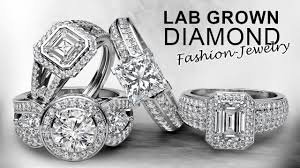
LAB-GROWN DIAMONDS BOOMING –
Lab-grown diamonds, popularly known as man-made, cultured, engineered, or synthetic diamonds, are emerging as one of the fastest-growing segments in the global jewelry and fashion market. They look exactly like natural diamonds, possess the same chemical composition, and are certified by the same gemology labs, such as IGI and GIA.
But what is making them blow up in popularity is the combination of affordability and sustainability, the fashion trends, tech advancements, and a shifting consumer mindset.
Let’s break it down deeply.
???? 1. What exactly are Lab-Grown Diamonds?
A lab-created diamond is one which is grown inside a laboratory using advanced high-tech processes that replicate the natural diamond formation that occurs deep within the Earth.
Scientifically:
Same carbon structure: crystalline carbon
Same hardness (10 on Mohs scale)
Same sparkle, brilliance, and fire
Same durability
Passes diamond testers the same as a natural diamond does.
They are not fake, nor cubic zirconia neither glass.
They are real diamonds, only difference is where they were formed.
- How Lab-Grown Diamonds Are Made: Full Process
There exist two major technologies:
A. HPHT – High Pressure High Temperature
Natural formation replication
Carbon is placed in a machine.
Machine applies extreme heat 1500°C and pressure at 1.5 million PSI
Diamond starts growing around a “seed”.
Takes several weeks to many months
Sometimes produces diamonds with slight metallic inclusions.
Used for:
Small diamonds
High colour grades
Fancy colored diamonds (blue, yellow, pink)
B. CVD – Chemical Vapor Deposition
Most popular and advanced
A diamond seed plate is installed inside a vacuum chamber.
Gases rich in carbon are heated into plasma.
Carbon atoms gradually deposit onto the seed
Diamond grows layer-by-layer.
Advantages:
Very high purity, Type IIa diamonds
Much cleaner and clearer
Preferred for jewelry industry
This is the reason why CVD LGDs are trending in the markets all over the world.
???? 3. Why Lab-Grown Diamonds Are More Affordable
Synthetic diamonds cost 60-85% less than natural diamonds.
Example:
Natural Diamond Lab-Grown Diamond
1 carat: ₹2–3 lakh 1 carat: ₹40k–₹80k
2 carat: ₹6–8 lakh 2 carat: ₹1–1.5 lakh
Why cheaper?
✔ No mining costs
Mining requires:
Heavy machinery
Excavation of the land
Thousands of workers
High insurance, high logistics
LGDs avoid all this.
Technology becoming increasingly affordable
The cost of operating reactors is falling.
Mass production
LGDs can be cultivated in batches.
✔ Stable pricing
Unlike natural diamonds, LGDs do not rely on rarity.
Consumers love the fact that they can afford bigger stones for the same price.
- Eco-Friendly? Yes — but with realistic understanding
Why LGDs are considered sustainable:
✔ No destructive mining
Natural diamond mining utilizes:
Large areas of land
Removes tons of soil
Harms ecosystems
Increases CO₂ footprint
LGDs avoid this completely.
✔ Lower carbon footprint-most especially, solar-powered labs
CVD labs powered by renewable energy sources have very low emissions.
✔ Ethical production
No relation to:
Conflict diamonds
Forced labour
Exploitation in mining regions
✔ Transparent supply chain
Because they are man-made in controlled lab environments.
Note:
LGDs still require electricity, but modern facilities run on green energy.
???? 5. Why LGDs Are Suddenly Trending in Fashion & Jewelry
⭐ A. Ethical Choices Preferred by Gen-Z and Millennials
What young consumers care about is:
Sustainability
Transparency
Value for money
They overtly favor lab-grown over mined.
⭐ B. Celebrities and Influencers Wearing LGDs
Lab diamonds have now been embraced by Hollywood and Bollywood celebrities.
C. Customization & New Fashion Trends
LGDs allow:
Bigger stones
Designer pieces
Unusual shapes: rose-cut, heart, pear, elongated emerald
Colored diamonds at affordable prices
Yellow
Blue
Pink
⭐ D. Bridal Market Shift
The reason engagement rings are increasingly LGDs is because:
Couples want bigger looks.
Saves money for wedding & honeymoon
Eco-friendly decisions
⭐ E. Global brands adopting LGDs
Brands such as:
Pandora
Swarovski
Excellent Earth
are pushing the LGDs globally.
India’s brands like Reliance Jewels, Titan Tanishq, and several startups have also joined the bandwagon.
Market Boom: LGDs Becoming a Multi-Billion Dollar Industry
The lab-grown diamond market is predicted to grow rapidly because of:
High demand in USA, India, China
- Costs declining each year
- Growing acceptance in the premium segment
Government Incentives for Green Technology
India is emerging as:
A global manufacturing powerhouse
Global Exporting Hub
Major consumer country
Exports of LGDs from India have grown remarkably during the last 5 years.
???? 7. Certification & Quality Control
LDGs are certified using the same grading system as
4 Cs:
Cut
Color
Clarity
Carat
Top grading labs:
IGI-most common
GIA-most prestigious
SGL
A certificate properly indicates:
“LAB-GROWN DIAMOND – CVD/HPHT”
Buy only after checking for certification.
????️ 8. Should You Buy Lab-Grown Diamonds?
Checklist Pros
Real diamonds
Much cheaper
Ethical and ecological
Bigger size for less money
Amazing brilliants
Same resilience
Beautiful for gifting and weddings.
✔ Cons
Resale value lower compared to natural diamonds
Market prices vary with increased production.
The main reasons one would choose LGDs over diamonds are beauty, size, sparkle, and affordability.
The fact remains that if you want investment, then natural diamonds are still considered the first choice.
- Future: What’s Next for Lab-Grown Diamonds?
Advanced colors & effects
Rainbow diamonds, ultra-clear diamonds.
LGDs in watches and luxury tech
Cartier, Louis Vuitton, and even smartwatch companies exploring LGD accents.
Electronics application
LGDs used in:
Semiconductors
Quantum computing
Heat dispersion systems
Maggiemae: More affordable Prices expected to drop further as technology improves. ???? Final Summary Lab-grown diamonds are trending upwards because they provide: ✔ Real diamonds ✔ 70–80% cheaper ✔ Eco-friendly & Ethical ✔ Perfect for modern fashion trends ✔️ Loved by Gen-Z & millennials Technology-driven, futuristic & sustainable The global jewelry industry is evolving, and at the forefront of it all are lab-grown diamonds.