Daksh Pandey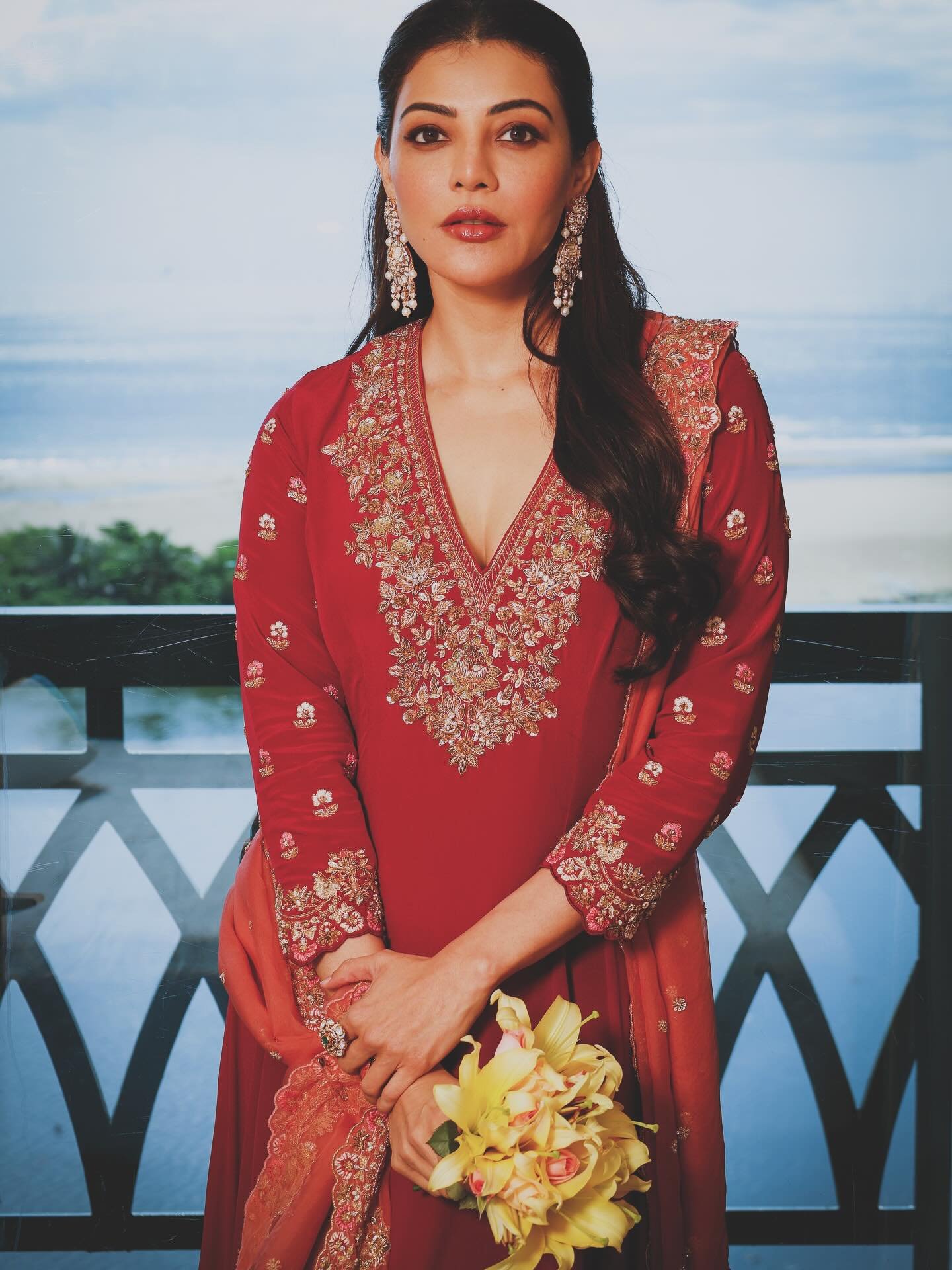

In mid-December 2025, a horrific incident occurred in Bangladesh’s Mymensingh district. A Hindu man, Dipu Chandra Das, was lynched by a mob that beat him before hanging him from a tree and setting him ablaze over blasphemy allegations. Graphic videos and eyewitness accounts of the heinous act went viral on social media, sending shockwaves across both domestic and international audiences.
While initial reports cited allegations of derogatory remarks as the trigger, Bangladesh authorities afterwards clarified that there was no concrete evidence that Dipu actually insulted any religion-investigations pointed instead to workplace disputes and crowd escalation.
This killing came amidst a wider unrest and violence in Bangladesh, which is related to political tensions following the death of a leading youth leader and other ongoing clashes before the start of an election season. Violence was already on the rise, with minority communities-especially Hindus, Christians, and Buddhists-reporting an increasingly vulnerable situation.
The lynching sparked:
Public protests across Bangladesh demanding justice.
Political responses from the leaders of South Asia.
Heated debate on social media over communal violence and minority rights.
These events formed the backdrop against which many public figures, including celebrities, began commenting.
- Kajal Aggarwal’s Message and Its Content
Amidst all this ruckus, Kajal Aggarwal, a popular Indian film actress known for her mass following over social media platforms, posted an Instagram story that started trending within seconds.
Her post included a graphic reading:
“All eyes on Bangladesh Hindus.”
Say, Hindus, wake up. Silence is not going to save you.”
She wrote minimal text into the mail but attached emotional emojis, a breaking heart, and tears, showing that she is in much distress and concern.
This message was meant to
Highlight the danger felt by Hindu minorities in Bangladesh.
Encourage a sense of collective consciousness among people of the same backgrounds.
Encourage those who have seen the post to not remain indifferent in the face of violence.
It was not only a news article but placed the situation in a broader framework of concern to Hindu communities and explicitly called on them to pay attention and respond, rather than passively observe.
- Reactions over Kajal’s Post + Celeb Commentary
In no time, Kajal’s message became a part of the larger conversation online:
Support and Amplification
Many social media users praised her for speaking out, saying celebrities have influence and should address serious social issues rather than stay silent.
Some public figures held similar views and added that “silence in the face of violence emboldens further attacks”.
Broader Celebrity Voices
Other Indian actors and artists also shared reactions:
Janhvi Kapoor termed the lynching barbaric and cautioned against ‘hypocritical outrage’: “People who are genuinely outraged by incidents far, far away but keep quiet when it happens closer home to ‘culturally’ affiliated groups.
Jaya Prada, the much-reputed actor and ex-parliamentarian, folded both her hands in a gesture of emotional agony and spoke against the brutality, appealing for more centreward attention towards the minority’s sufferings.
Manoj Joshi lamented that when some sort of global event happens, there are more voices than are ever raised regarding violence against minorities in any of the neighboring countries.
Singer Tony Kakkar even referenced the incident in his song and called for the opening of an interlocution on the tragedy and discrimination.
These reactions epitomize how celebrities increasingly use their platforms to speak on social justice, human rights, and communal violence-issues that originally fall in the domains of politics or civil society.
- Why Kajal’s Message Resonated — and Controversy Around It
Kajal Aggarwal’s message resonated for many reasons:
a) Religious and Cultural Identity
Her call was to a community that is religiously and culturally attached to the victim, not as some faraway perpetrator of an atrocity. This framing gives emotional weight and urgency to her message.
b) Celebrity Silence Breaker
Celebrities tend to avoid sensitive political or communal issues so that their appeal is not limited. And if someone like Kajal comments on a violent incident, especially an incident with minorities across the borders, then it becomes news.
c) Social Media Amplification
Screenshots of her story circulated widely, giving a global audience to what might have been an otherwise ignored debate.
d) Debate over responsibility
Her tweet also ignited a debate on whether celebrities should give their opinions on international and communal matters:
Supporters indicate the influential voices shall speak for the voiceless.
Critics counter that the statements can belittle complex situations or incite violence.
This double reaction-praise and debate-reveals how public figures contour modern-day discourse.
- The Social and Political Context
In a nutshell, the importance of Kajal Aggarwal’s message can be obtained by understanding the wider dynamics at play:
Communal Violence and Minorities
South Asia’s communal tensions have a long history. Episodes of mob violence-especially against religious minorities-are international concerns because they touch on:
Human Rights
Rule of law
Social inclusion and safety
Government responsibility
Lynching in Bangladesh takes a place in this broader pattern of minority vulnerability, making a regional human rights issue rather than a strictly local crime.
Political Context in Bangladesh
The attack occurred amid political turmoil and violence blamed on the killing of a youth leader ahead of elections. All this heightened anxiety, particularly among minorities who already faced insecurity.
India–Bangladesh Relations
Given that India and Bangladesh share close geographical, cultural, and historical ties, incidents of minority violence in Bangladesh inevitably resonate across the political and social discourse of India through a strongly worded diplomatic reactions and debates among its people.
It made Indian authorities concerned for minority safety and called for accountability, and Indian civil society debated the implications.
- What This Reaction Means on a Larger Scale
Kajal’s message, and the reactions it provoked, reflect a number of broader trends:
- Celebrities as Public Advocates
Actors and artists speak increasingly about current affairs and not about entertainment alone. Through their platforms, social media especially, they are able to bring into the general public’s awareness issues that would have otherwise been under-reported.
- Globalization of the Local
One incident happening in one country can quickly turn into a global topical issue, as images and voices disseminate instantaneously online, adding to pressure for justice and policy responses.
- Identity and Protection Debate
Her message invoked ideas about community solidarity and warnings against passivity – concepts that resonate deeply in societies where communities feel under threat.
- Where Entertainment Meets Politics The blurring lines between celebrity culture and political discourse raise questions of influence, responsibility, and the consequences public utterances can have on sensitive issues. Kajal Aggarwal lent her voice in reaction to the incident of lynching in Bangladesh as the safety and dignity of a vulnerable religious minority needed to be addressed and awareness was called for, not silence. Her message came concise but emotionally charged to catalyze a full-fledged broader conversation and contributed to national and international dialogues around violence, rights, and communal tensions. Her post serves to illuminate how influential people can frame conversations beyond the realm of entertainment and their ‘public voice’ can be used to shed light on injustices, even as it raises questions about the role of celebrities in complex socio-political issues.