Daksh Pandey
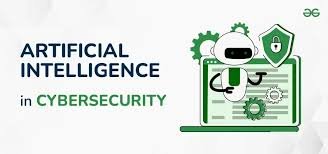
Artificial Intelligence in cybersecurity is no longer a future reality but is already very much a part of the present reality. As cyber attacks are becoming more prevalent and automated, it is increasingly being noted that conventional methods of cybersecurity recruitment are being put under immense pressure. The conventional model of cybersecurity recruitment, where a whole army of very specialized cybersecurity experts is recruited, is being found to be very costly and ineffective in coping with the speed of present cyber crimes. AI is, in this manner, not only revolutionizing cybersecurity tools but is making way for a whole new paradigm in cybersecurity recruitment.
Traditionally, cybersecurity recruitment over the years has emphasized pure technical skill. Candidates with a good technical grounding in such areas as networking, operating systems, cryptography, penetration testing, and digital forensics have always been in high demand. Technical skill, years of experience, and certifications have therefore become a panacea. However, with an acute global cybersecurity talent gap, this recruitment strategy is becoming less and less feasible. Cybersecurity jobs are left vacant in millions globally despite increasing cyber threats. AI technology holds great promise in this area since it can handle repeatitive work and make human decisions smarter.
One of the most direct ways in which AI is Influence cybersecurity recruitment is in reducing reliance on a large volume of junior and mid-level security analysts. A traditional Security Operations Center relies very heavily on human analysts for reviewing notifications, researching event logs, and acting on notications of a potentially malicious threat. Much of this work is menial, time-consuming, and likely to introduce error on a grand scale, especially in situations involving alert fatigue. AI systems can, for the first time, quickly sift through very large datasets in real time, eliminate false-positives, and point to suspicious behavior. They will no longer be a need for a large volume of junior analysts for basic notification monitoring, but rather a smaller volume of more advanced analysts to manage these systems.
Additionally, AI is revolutionizing cybersecurity skill requirements in the industry. Although technical expertise is a fundamental requirement, a heightened focus on analytical thinking, context awareness, and decision-making skills is being sought. For instance, AI can detect patterns and abnormalities but lacks an understanding of business contexts, laws, and ethics. A heightened need for cybersecurity specialists to work in tandem with AI systems to verify AI results and make decisions based on these analytical results is being witnessed. As such, recruiters in cybersecurity will place a high premium on candidates with critical thinking capabilities, awareness of organizational risk in a broader context, and people skills.
The most significant impact brought by AI is the emergence of ‘security generalists’ aided by AI solutions. Traditionally, security operations were segregated into highly niche positions such as malware analysts, intrusion analysts, and incident responders. With AI solutions, many of these niche tasks such as malware categorization and behavioral analysis can be accomplished with a high level of accuracy. As a result, companies can now hire candidates with a more comprehensive understanding of cybersecurity, not niche expertise. Generalists will be able to operate AI solutions and be flexible with increasing threats without necessarily being specialists in every niche area. Cybersecurity jobs will become a reality for people in different technical domains.
AI is also making a case for a paradigm shift in assessing talent during recruitment. The conventional recruitment methods, such as screening applicants with their résumés, verification of certifications, and technical interviews, may not necessarily assess a candidate’s aptness in working with AI-enabled systems. With AI emerging as a core part of cybersecurity operations, employers will increasingly prefer applicants with experience in working with adaptive technology rather than specific technical knowledge. Scenario-thinking tests, problem-solving activities, and hands-on tests will become a major part of this assessment.
AI integration in cybersecurity is also impacting cybersecurity education and employee development, which goes on to influence recruitment policies. Organizations will not have to hire only those with complete skill sets in cybersecurity but can employ people with basic skill sets, which will then be trained using AI-enabled learning solutions in a short span of time. AI simulations, virtual labs, and adaptive learning solutions can help design learning programs for individual students, which will take less time and money to make competent cybersecurity personnel.
Cost-wise, AI can greatly impact cybersecurity talent management. Recruitment and retention of talented cybersecurity staff are costly, especially in a tight market. AI solutions, which are a capital expense in the short term, can cut operating expenditures in the end by increasing productivity and thus not needing a massive team to handle them. Based on this factor, firms may end up spending more on AI technology and less manpower, especially in security operations where automation can be applied. Cybersecurity recruitment can thus become more targeted in terms of positions with high marginal utility rather than volume.
AI is also impacting the geographic and remote character of cybersecurity recruitment. With AI systems taking over most of the heavy lifting in continuous monitoring and analysis, cybersecurity experts need not be geographically constrained to SOCs. Organizations can thus hire cybersecurity talent globally, increasing their recruitment pool to include all regions and not just tech-centric cities. AI-assisted hybrid work opportunities will attract people with a preference for work flexibility, thus impacting recruitment in another way.
Nonetheless, with AI’s emergence, cybersecurity jobs will not become redundant but will transform. The effectiveness of AI systems is limited if the quality of their inputs and rules is not sound. For instance, they can be tricked by new attack methods, controlled using deceptive inputs, or improperly aligned with organization-wide goals. Furthermore, AI systems will need human vetting to function optimally and morally. Therefore, this highlights a need to employ people with awareness of both cybersecurity and AI, leading to a demand for positions that have skills in cybersecurity and expertise in AI, machine learning, among other domains.
The added complexity of ethical and regulatory aspects makes cybersecurity recruitment an even more challenge in this AI-driven era. As AI systems increasingly make decisions in cybersecurity, issues have emerged on matters of responsibility, ethics, and fairness. Organizations will need to make sure that AI-centric cybersecurity practices meet the principles and legislation of personal data regulation. As a result, cybersecurity recruitment will increasingly need applicants with interlinked expertise in cybersecurity and law, business, and/or public policy.
The role of attackers is also being influenced by AI, which has an indirect impact on recruitment requirements. Cyber attackers are utilizing AI for automating phishing attacks, identifying vulnerabilities in systems, and creating evasion methods. To protect systems from AI-powered attacks, thorough knowledge of attacker behavior and threat intelligence is necessary. Although AI can be used to detect and react to these threats, creative and strategic thinking is required to stay a step ahead of attack methodologies that keep evolving. Therefore, the need to hire cybersecurity personnel with strategic thinking akin to those of the attacker remains a priority.
Additionally, a critical area is the culture change brought into cybersecurity by AI. Cybersecurity specialists, who have traditionally had pride in hands-on work, might have to adjust to a role focusing on overseeing AI systems and making strategic decisions. While selecting candidates, not only do managers need to focus on technical skills, but they must also assess if the candidate is amenable to working with AI systems and if they are comfortable with embracing constant change. Education and certification trends are further impacted by AI legalization in recruitment. Conventional certifications may not be able to cover all aspects of working with AI-assisted security solutions. Therefore, employers will soon stop focusing on conventional certifications and put importance on hands-on experience instead. This can have an impact on education programs and will bring an end to conventional education programs in cybersecurity to make way for new paths such as boot camps, online education, and project work. Although AI possesses a revolutionary futuristic capability, it imposes a threat with regards to recruitment. Exaggerated overdependence on AI can result in skill decay due to a lack of hands-on skill by human professionals. A balance therefore needs to be achieved in organizational setup strategies so that in case AI systems become dysfunctional or compromised, organization teams can still function. In the long run, AI will help push demand in cybersecurity recruitment towards a more strategic and quality-oriented approach. Instead of vying for a recruitment strategy focused on hiring a massive number of hard-to-find qualified candidates, companies will work towards assembling a smaller team of highly skilled professionals with the help of AI-driven automation. Such teams will concentrate on governance, strategy analysis, threat analysis, and responding to incidents rather than relying simply on constant monitoring. Conclusion
Cybersecurity recruitment is always being affected by AI in a way that is undeniable. AI is transforming not only the jobs being performed in an organization but also the skills being considered important. Although AI is being used to replace a lot of employees with a specialized skill in carrying out a simple task, it is leading to an increased demand for people with a specific skill in managing and interpreting AI systems. Cybersecurity recruitment is becoming less specialized in terms of volume and moving towards capability in terms of being adaptable and critical, a field where partnering with AI will become more important than before.