Daksh Pandey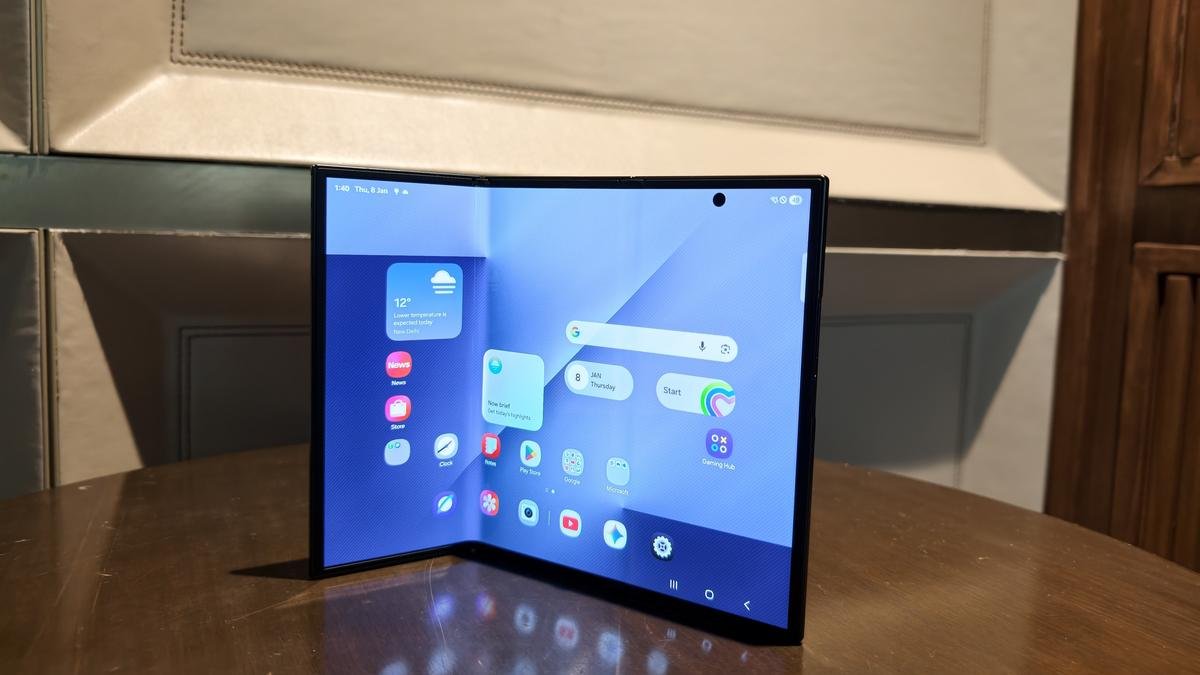
The smartphone industry has always been driven by innovation. From the early days of keypad phones to the era of touchscreens and now foldable devices, each technological leap has changed how people communicate, work, and entertain themselves. Among all smartphone brands, Samsung has consistently played a leading role in pushing boundaries. It was one of the first companies to popularize foldable smartphones with its Galaxy Z Fold and Galaxy Z Flip series. Now, Samsung has taken another bold step by showcasing its first-ever trifold smartphone, a device that represents the next stage in the evolution of mobile technology.
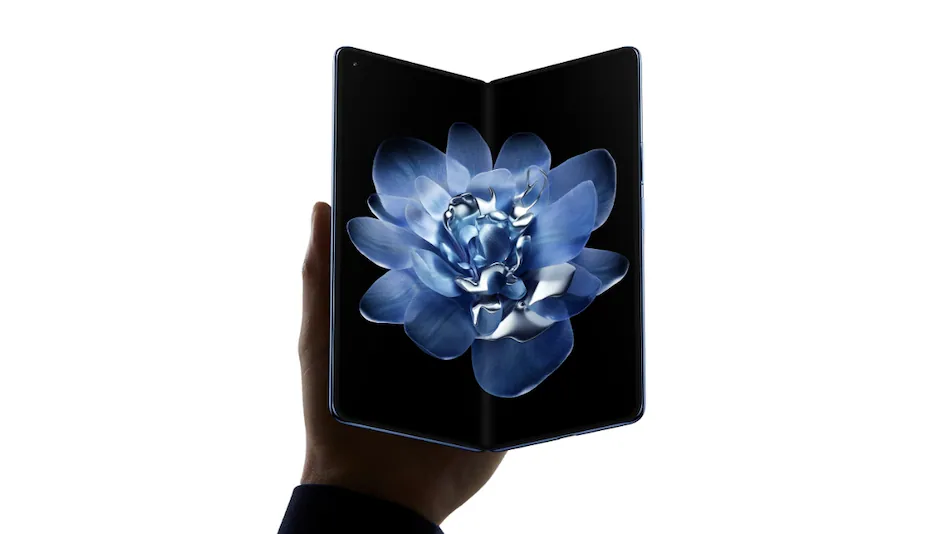
A trifold smartphone is different from regular foldable phones because instead of folding once, it folds twice. This means the device has three sections that can open and close like a brochure or a book. When fully unfolded, it transforms into a large tablet-like display. When folded completely, it becomes compact enough to fit into a pocket. This new design is expected to combine the portability of a smartphone with the productivity and immersive experience of a tablet.
Samsung’s trifold smartphone is not just another gadget. It is a symbol of how far display technology, hinge engineering, software optimization, and material science have progressed. It shows that smartphones are no longer limited to a single shape or size. They are becoming flexible tools that adapt to the needs of users, whether they want a small device for quick tasks or a large screen for multitasking, gaming, watching movies, or working.
The unveiling of the trifold smartphone created a strong buzz in the technology world. Industry experts, journalists, and consumers alike were eager to see how Samsung would solve the challenges of making a phone that folds twice without compromising durability, usability, or performance. The showcase hinted that Samsung is preparing for a future where smartphones are more dynamic and versatile than ever before.
To understand the importance of this development, we must first look at how foldable smartphones evolved and why the trifold concept is such a big deal.
The Evolution of Foldable Smartphones
Before foldable phones, smartphones followed a simple design philosophy: a flat slab of glass and metal with a touchscreen. For years, companies competed by making screens bigger, bezels thinner, and cameras better. But after a point, innovation began to slow. Most smartphones started looking similar, and it became harder to create something truly different.
Samsung changed this with its foldable phones. In 2019, it introduced the first Galaxy Fold, a device that could open like a book to reveal a larger inner display. This was a revolutionary idea. Instead of carrying both a phone and a tablet, users could have one device that performed both roles.
However, early foldable phones were not perfect. They faced issues such as:
- Fragile screens
- Visible creases
- Dust entering the hinge
- High prices
- Limited app optimization
Despite these challenges, Samsung did not give up. Each new generation of Galaxy Z Fold and Z Flip devices improved on durability, design, battery life, and software experience. Over time, foldables became more reliable and popular, especially among power users and tech enthusiasts.
The trifold smartphone is the next logical step in this journey. While a single fold allows a phone to become a tablet, a trifold design can make it even larger without making it bulky when closed. It opens up new possibilities for productivity, creativity, and entertainment.
What Is a Trifold Smartphone?
A trifold smartphone is a device with a flexible display that folds in two places instead of one. This creates three panels:
- Left panel
- Middle panel
- Right panel
These panels can be folded in different ways depending on the design:
- Z-shaped fold (one panel folds inward, another outward)
- Accordion-style fold
- Brochure-style fold
When fully closed, the phone looks like a thick smartphone.
When partially opened, it can work like a mini tablet.
When fully opened, it becomes a large display similar in size to a small laptop or tablet.
This design allows users to switch between multiple modes:
- Phone mode – compact and portable
- Dual-screen mode – for multitasking
- Tablet mode – for immersive viewing and productivity
Samsung’s showcase focused on demonstrating how smoothly the device transitions between these modes.
Samsung’s Vision Behind the Trifold Design
Samsung has always positioned itself as a pioneer in display technology. It is one of the world’s largest manufacturers of OLED screens and supplies displays to many other smartphone brands. By introducing a trifold smartphone, Samsung is not only showcasing its engineering skills but also reinforcing its leadership in the display industry.
The company’s vision is to create devices that adapt to users rather than forcing users to adapt to devices. Modern smartphone users want:
- Bigger screens for content
- Better multitasking
- Portability
- Durability
- Long battery life
A trifold phone aims to deliver all of these in one product.
Samsung believes that in the future, smartphones will not be limited to just communication. They will become personal productivity hubs, entertainment centers, and creative tools. A trifold phone supports this idea by offering a screen large enough to:
- Edit documents
- Attend video conferences
- Draw or design
- Play console-quality games
- Watch movies in cinema-like quality
Design and Build: A New Engineering Challenge
Creating a trifold smartphone is much harder than making a regular foldable phone. Each additional fold increases complexity. Samsung had to solve multiple engineering problems:
- Hinge Technology
The hinge is the heart of any foldable device. In a trifold phone, there are two hinges instead of one. These hinges must:
- Fold smoothly
- Stay strong over thousands of folds
- Prevent dust and water from entering
- Keep the screen safe from damage
Samsung demonstrated a new hinge mechanism that distributes pressure evenly across the screen and reduces visible creases.
- Flexible Display
The display must be strong enough to bend repeatedly without breaking or losing quality. Samsung’s Ultra Thin Glass (UTG) technology has evolved to handle more complex folding patterns. - Durability
With more moving parts, durability becomes a major concern. Samsung showed how the frame and materials are reinforced to protect the device from daily wear and tear. - Thickness and Weight
One common criticism of foldable phones is that they are thicker and heavier than regular phones. A trifold device risks becoming even bulkier. Samsung worked on making the panels thin and the hinges compact to maintain a reasonable size and weight.
Display Experience: The Heart of the Trifold Phone
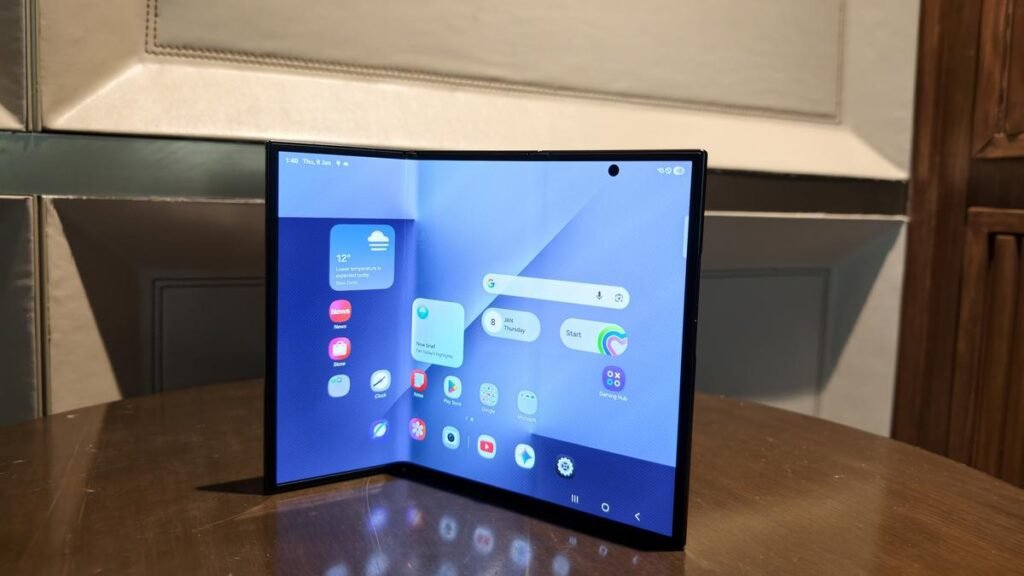
The display is the most exciting part of the trifold smartphone. When fully unfolded, the screen offers a massive canvas for users. It is likely to measure between 9 to 10 inches, similar to a tablet.
Samsung’s AMOLED technology ensures:
- Bright colors
- Deep blacks
- High contrast
- Smooth refresh rates
- Energy efficiency
This large screen enhances:
- Watching movies
- Reading books
- Browsing the web
- Gaming
- Professional work
The ability to carry such a large display in a pocket-sized device is a huge achievement.