Daksh Pandey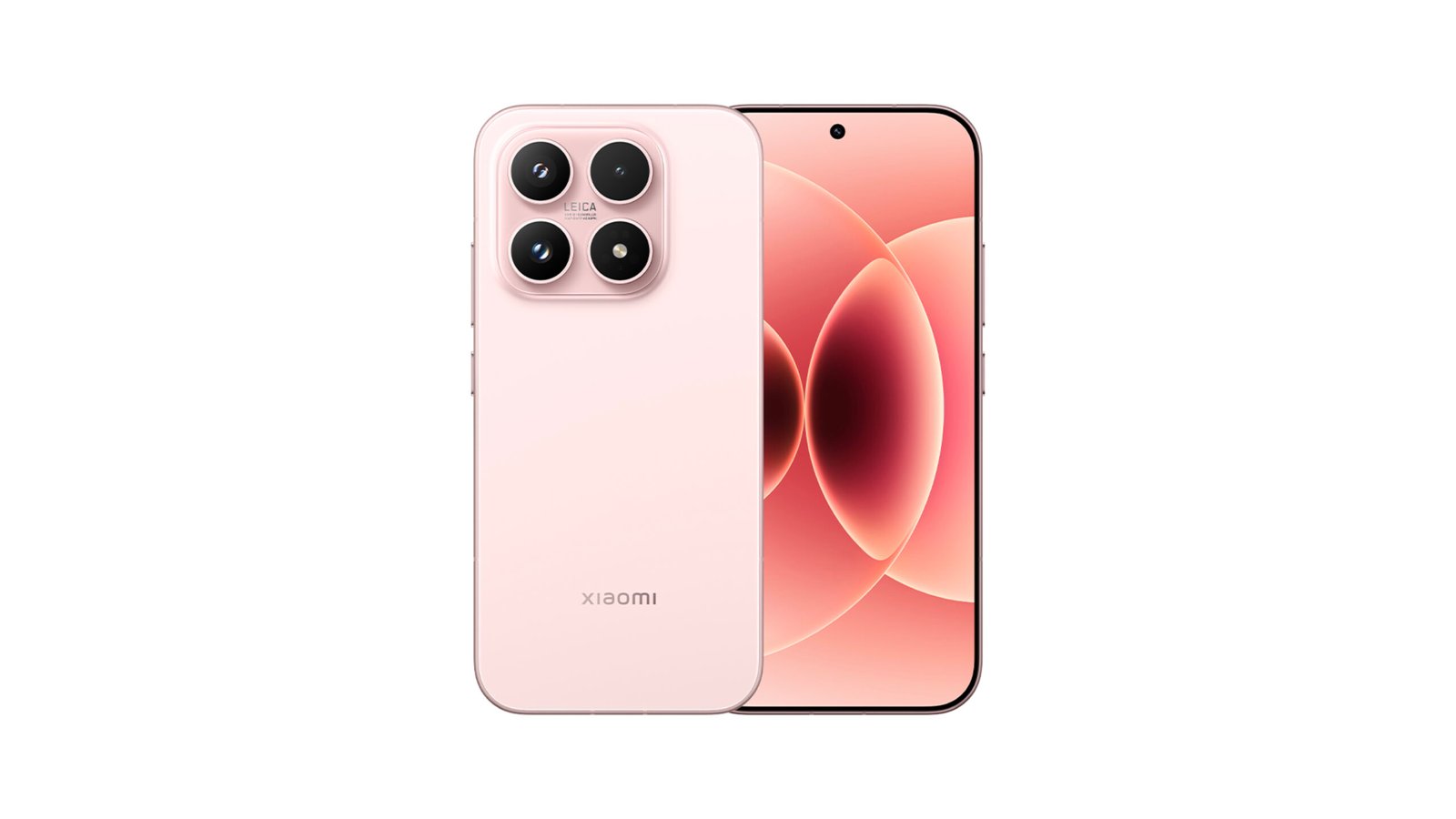
Xiaomi’s Xiaomi 17 Ultra will be launched on December 25, 2025, in China, and every piece of news prior to its launch reveals that one of the main themes of this device is mobile photography.
1) What already has been confirmed about Xiaomi (“official information”)
Launch Timing and Positioning
This option
Xiaomi has lined up the launch of Xiaomi 17 Ultra in China on Dec 25. Xiaomi is further calling this launch a significant milestone in its camera journey, something bigger than what they release as part of their annual upgrades.
The following can be expected because Leica does “tune” its
There have been quite a few instances of this Ultra being cited as one of the initial flagships Xiaomi is planning with Leica, suggesting Leica is not limited to mere color science and branding on watermarks. Xiaomi itself focuses on image capture as another jointly developed aspect.
Design Teased Publicly
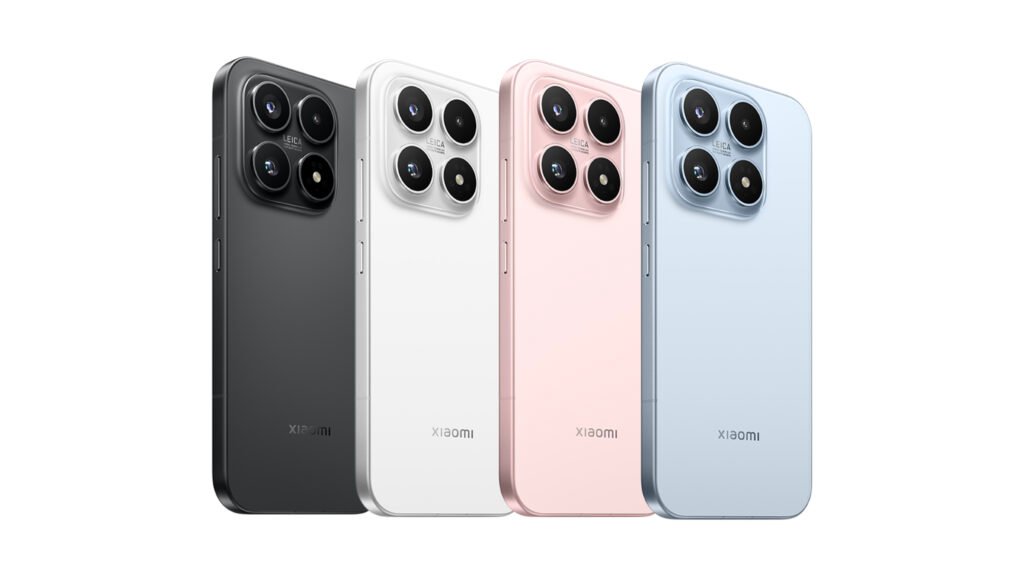
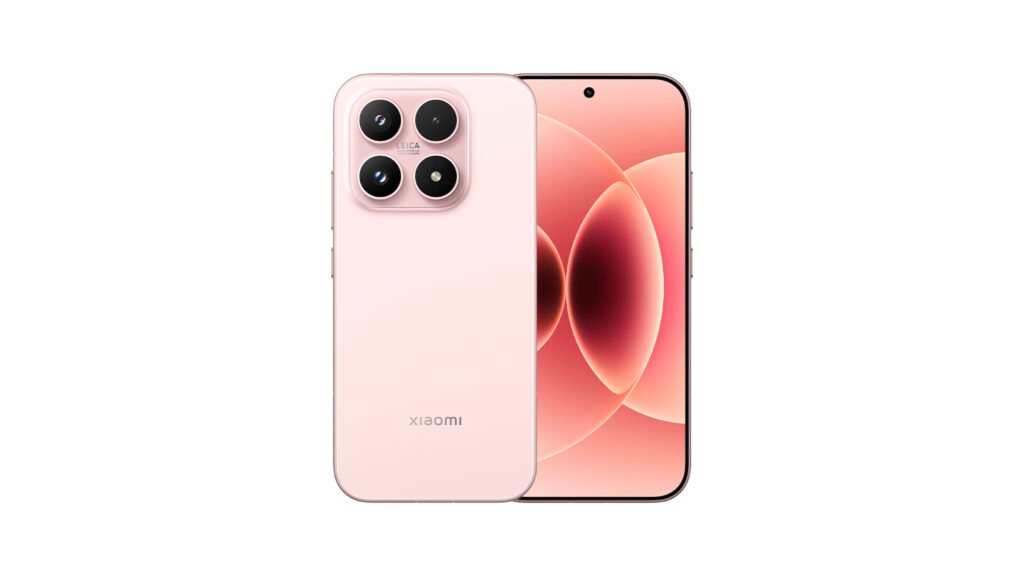
Design teasers confirm a phone that maintains the “Ultra identity” with a prominent round camera module as well as the Leica branding; it’s a clear signal that the camera module is the hero component. Other leaks confirm a flat display, as well as the removal of a secondary rear display that was witnessed on other concepts or variants.
2) Why the camera is the main story of 2020
As I mentioned in my
The Ultra lineup of Xiaomi smartphones operates in an environment in which performance will suffice in many flagships, such that to capture market share, brands need to own an area of specialization. It’s evident that Xiaomi’s specialization of choice would be in advanced optical technology, especially in areas in which smartphones usually underperform:
Evening photography that maintains a clean perspective
Telephoto in low light conditions (an area in which conventional phones have traditionally been weak)
“Optimize and lock the aspect ratio so that it feels like it’s zoomed in, rather than feeling like it
This isn’t a random emphasis because Xiaomi had already highlighted improvements in low-light telephoto photos in its last Ultra generation. Additionally, the industry has been shifting towards larger sensors, periscope modules, and improvements in telephoto darkness/noise.
3) Rumored/outlined camera hardware (What’s being reported)
Here’s what reputable technology sites and tech authors think the Xiaomi 17 Ultra will come equipped with regarding the imaging aspect.
(A) A 1-inch-class main sensor
A few reports hint towards a 1-inch main camera sensor strategy once again, known as a “next-gen sensor choice, enhanced for light and dynamic range.” A report highlights a specific 1-inch OmniVision sensor named OV50X, along with LOFIC-related advancements, a family of technologies to enhance light highlights and the dynamic range.
Why it matters:
Large main sensor is usually advantageous in the following ways:
cleaner night photographs (fewer noise artifacts),
richer depth and separation,
“Natural Truth
more better highlight control (street lights, fireworks, neon lights),
more natural detail without aggressive sharpening.
(B) 200MP periscope telephoto (the “headline lens
Among the most talked-about features, however, is a 200MP periscope telephoto sensor which has Leica involvement (there are reports of Leica APO certification/optics).
Why 200MP on telephoto zoom lenses matters:
It is not simply a question of “more megapixels.” Such a high-resolution telephoto image sensor may
better detail at the native zoom level,
higher-quality zoom steps (more refined digital zoom),
better cropping flexibility,
potentially enhanced low light-zoom if the image sensor and optics are large/fast enough.
(C) “Continuous optical zoom” (the most interesting claim)
Among the most interesting news shared by the media is that of Xiaomi’s intention to move towards constant/variable optical zoom behavior, as explained in executive opinions and/or explanations of their system on Weibo.
What that might look like in practice (simplified):
Rather than you jumping from fixed zoom lenses 1x to 3x to 5x, perhaps your camera system can be like that in a real zoom lens—more gradual and smoother transitions and similar quality from one to another.
Important Reality Check:
Cameras + phones frequently integrate optical + computational magic, so “continuous optical zoom” may vary depending on the technology used. Some steps can still employ sensor crop, multi-frame fusion, or even hybrid techniques. Until the launch event demonstrates the feature, consider the “continuous” aspect as hopeful but pending verification.
(D) Triple-camera module on the back (instead of four cameras)
There are also reports that Xiaomi may employ a triple-camera setup in the back for this time, unlike in previous ones that came equipped with four cameras.
The triple system would be cleaner if each camera is very capable. Instead of spending on a third lens that is not that great, Xiaomi could be spending their budget on:
a larger periscope module,
better optics,
larger sensors,
better stabilization.
4) What “advanced camera hardware” most likely means in this case
When manufacturers say “advanced camera hardware,” they usually mean this in the following ways, which are noticeable in terms of upgrades in pictures/videos:
Bigger sensors + better optics
More light gathered → Cleaner nighttime images
Improved detail retention without oversharpening
More “watercolor” effect in telephoto shots.
This is consistent with the reported 1-inch main + periscope upgrade plan.
Enhanced telephoto performance in low-light conditions
Xiaomi has teased about “night” and “telephoto” enhancements. Telephoto photography in low-light conditions has been difficult, and zoom lenses tend to have lower light intake and higher stabilization/processing required. A larger and more advanced periscope camera module would be among the more straightforward solutions to this issue.
Enhanced dynamic range in challenging lighting conditions
To benefit from LOFIC/dynamic range improvements:
If LOFIC/dynamic range improvements are
bright signs and dark streets,
fireworks,
stage lighting,
sunsets, where blowouts of highlights were easy.
In a few instances, the sensor covered has been related to highlighting control.
5) Design decisions aiding the camera-first approach
A camera-focused smartphone isn’t simply a matter of sensor technology—and also of design:
Big circular camera module: Space required by large optics and stabilization systems
Simplified rear (no extra rear screen): possible increased interior space + simpler design
Enhanced button design (according to reports): “Small usability improvements can have importance when you shoot extensively”
All of the above details align with what Xiaomi has teased and what reports have claimed.
6) Leica Edition / special variant: what’s being said
Some reports claim the new arrivals will include the “Leica Edition” or Leica variant to coincide with the release, which again emphasizes the photography angle.
But beware when discussing names and specs before Xiaomi shows up on stage, as sometimes different names used internally, marketing names, and local brands get conflated in pre-launch articles. One thing is sure, though, and that is Xiaomi’s intent: they want you to look at this Ultra as camera gear, not just a phone.
7) Performance and “everything else” (what to expect, but keep it labeled)
Although the camera is the strongest feature, an Ultra model will likely have the best possible internal hardware. There are quite a few mentions of the inclusion of the latest gen Snapdragon platform as well as the latest storage and RAM, but the best available information regarding the Ultra model includes its timing of announcement + its focus on the camera.
“If Xiaomi positions it in the manner of an ‘Ultra’ – which has a premium pricing tag
a very high-end chipset,
top display (brightness, refresh rate),
fast wired and wireless charging,
high-quality construction materials.
Consider details like the exact battery capacity and the type of charging power specifics as unconfirmed until Xiaomi announces them.
8) Pricing and Availability: What the Indicators are Pointing To
Pricing
Potential price increase (reported)
One report suggests that there may be consideration of pricing pressures (cost of memory/components) with the Xiaomi execs, and that the enhanced modules of the Ultra may contribute towards a hike in pricing, as may be expected with a larger, more complex periscope camera.
Global Launch Hints (Certifications / Timelines)
Other reports note that the Xiaomi 17 Ultra and a related model have shown up in the certification database, and this can be the first indicator of a wider rollout after its Chinese debut. This announcement does not mean that the devices are going to be available on specific dates.
9) To whom this phone belongs (in practice)
Based on the leaked/teased camera direction if true, Xiaomi 17 Ultra will most appeal to:
Mobile photography enthusiasts
Portraits, street, travel, events photographers
Persons requiring reliable zoom capabilities for portrait photography
Low light shooters
Night markets, cityscape, weddings, concerts
Anyone who’s ever been disappointed by pixelated Zoom meeting photos at night
“Hybrid camera” users
Those who do not wish to carry a dedicated camera and wish to:
strong main sensor output,
real zoom flexibility,
consistent color and detail.
10) What to watch for on launch day (Dec 25)
To assess the degree to which the Xiaomi 17 Ultra meets the promise of “advanced camera hardware,” the press conference should be able to provide the answers to these:
Detailed information about each individual camera’s image sensor format and characteristics: exact focal lengths
How the zoom works (true optical zoom vs hybrid zoom/blending)
Telephoto Night Comparison Shots (Comparison Trumps Speculation)
Video Enhancements (Stabilization, HDR Pipeline, Telephoto Video Quality)
Real photos of samples under difficult lighting conditions
The sensor hardware can have amazing specs, but the “Ultra” champion is typically the entire pipeline of optics + stabilization + processing + color + focus speed.
The bigger picture: Why Xiaomi is doing this now The premium market has a trend: It is fast enough. The screens are already excellent. Charging times are already very quick. Therefore, the battlefront for the future is camera differentiation, particularly in the following Periscope zoom quality, low-light consistency, “professional” shooting experience. Xiaomi is banking on Leica and a “night + telephoto” narrative because it knows it needs its own “battlefront” in the camera-focused sector. Fone +2 The Verge 2 Quick Recap The Xiaomi 17 Ultra is to be launched on Dec 25, 2025, in China. Gadget 360 +1 Camera improvements, especially telephoto+low light, are what Xiaomi is heavily marketing. Gizm +1 There are reports of a 1-inch main sensor and a 200MP periscope telephoto camera, as well as talk of optical zoom capabilities. Gizm 2 Gadgets 360 +2 One can expect a heavy emphasis on Leica branding and perhaps a Leica Edition model.