Daksh Pandey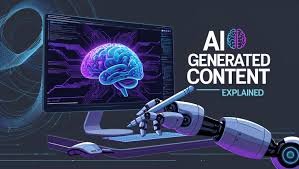
AI-generated content is becoming mainstream – but keep it authentic.
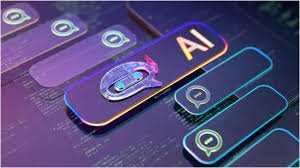
Over the last few years, artificial intelligence has moved from a niche technological concept to one of the most powerful forces shaping digital content. What started off as simple chatbots and automated text tools has grown into highly sophisticated systems capable of generating articles, videos, images, social media posts, music, code, and even whole marketing campaigns. This makes AI-generated content no longer an experimental trend but fully mainstream. Businesses, creators, influencers, students, marketers, and even large media houses now use AI in producing fast, affordable, and more varied content.
With such rapid adoption, however, comes the responsibility of maintaining authenticity. The real challenge, with the internet going to flood with AI-generated material, would not be if we can create content using AI, but whether we can create content that still feels human, original, and trustworthy.
Why AI-Generated Content Has Become Mainstream
- Speed and Efficiency
AI creates polished content in seconds, while traditional creation-methods such as writing a blog, editing a video, or designing a banner-can take hours or even days. AI reduces production time so that creators can publish more frequently without compromising consistency.
- Accessibility for All
Until recently, the creation of content called for special skills: a talent for writing, training in graphic design, skills in video editing, among others. Today, anything from professional-level work can be created with the help of AI tools from anyone who has a smartphone. Such democratization opens horizons for small businesses, students, and beginning creators to compete with big companies.
- Cost-Effectiveness
The expense of engaging writers, editors, designers, and even animators can be so high. With the use of AI tools, many startups and freelancers reduce the cost involved but still achieve high-quality outputs. It’s not a replacement for human creativity but rather is a strong support system.
- Huge Adoption by Platforms and Industries
Large technology companies and social media sites are integrating AI into their ecosystem. From auto-generated captions to AI-powered search results, algorithms are increasingly driving the digital world. Industries such as journalism, advertising, and e-commerce all use AI on a daily basis for producing product descriptions, newsletters, image creation, and customer service.
- Personalization at Scale
AI can analyze audience behavior and create content to fit their interests—something that is nearly impossible for humans to do manually at large scale. Personalized recommendations, targeted ads, and custom content experiences are the new normal.
The Rising Problem: Loss of Authenticity
Conjointly with the proliferation of AI content, there is a trend gaining traction: people can tell when something feels robotic, generic, repetitive, or without emotion. This is a major risk.
Authenticity matters because:
It builds trust with your audience
It creates a bond that is unattainable with pure AI.
It differentiates your brand or personality.
It avoids misinformation or low-quality noise.
It protects your long-term credibility
In a world where AI can generate unlimited content, the value of genuine human expression becomes all the more vital.
What “Authenticity” Means in the AI Era
Well, authenticity is not avoiding AI entirely.
It means using AI as a tool but keeping your voice, intention, and originality intact.
Authenticity involves:
✔ Add personal experiences and insights
AI does not have your experience in life. Including true stories, emotions, or perspectives makes content human.
✔ Retain your distinct tone and style
Whether humorous, formal, emotional, or bold—your tone is part of your identity. AI should support it, not replace it.
✔ Proofreading & fact-checking
AI occasionally makes mistakes or provides outdated information. Authenticity requires fact-checking before publishing.
✔ Being transparent when appropriate
Many brands very openly mention the fact that their content is AI-assisted, building honesty and not misleading an audience.
X Avoid generic phrasing of AI.
AI often repeats common patterns. An addition of personal edits can make the final work more interesting and unique.
How to Keep AI Content Authentic
- AI is for Brainstorming, Not Blind Copying
Then, let the AI generate ideas, outlines, drafts, or variations. Afterwards, refine, rewrite, and add your personal touch. Voilà, hybrid thinking: the speed of AI combined with human creativity.
- Add Emotion and Real Human Touch
AI writes beautifully, but it cannot feel. Add to that
Personal opinions
Real emotions
Honest thoughts
Cultural references
Real world examples

These elements make your content “alive.”
- Editing for Natural Flow
Sometimes, AI content seems to read a little too formally or structured. Reading it out loud and adjusting the flow helps it sound human-made.
- Avoid Quantity Over Quality
Some people are publishing dozens of AI-generated posts every day. Yes, it might increase output, but it does tend to hurt credibility. High-quality meaningful content will always win at the end of it.
- Ethics in AI
Never use AI to manipulate, mislead plagiarize, or imitate others. Authenticity shall include respect for originality and integrity. The Future: Human + AI Collaboration The digital terrain is turning hybrid: AI helps create but a human chooses the direction, context, and meaning of that creation. Creators of the future will most likely be successful based on how they know to combine the AI capabilities with human authenticity. While AI may dominate the mechanics of creation, it will always be humans providing the heart, creativity, and originality that audiences crave. That is, the future is not about AI replacing man, but how man uses AI brilliantly.