Daksh Pandey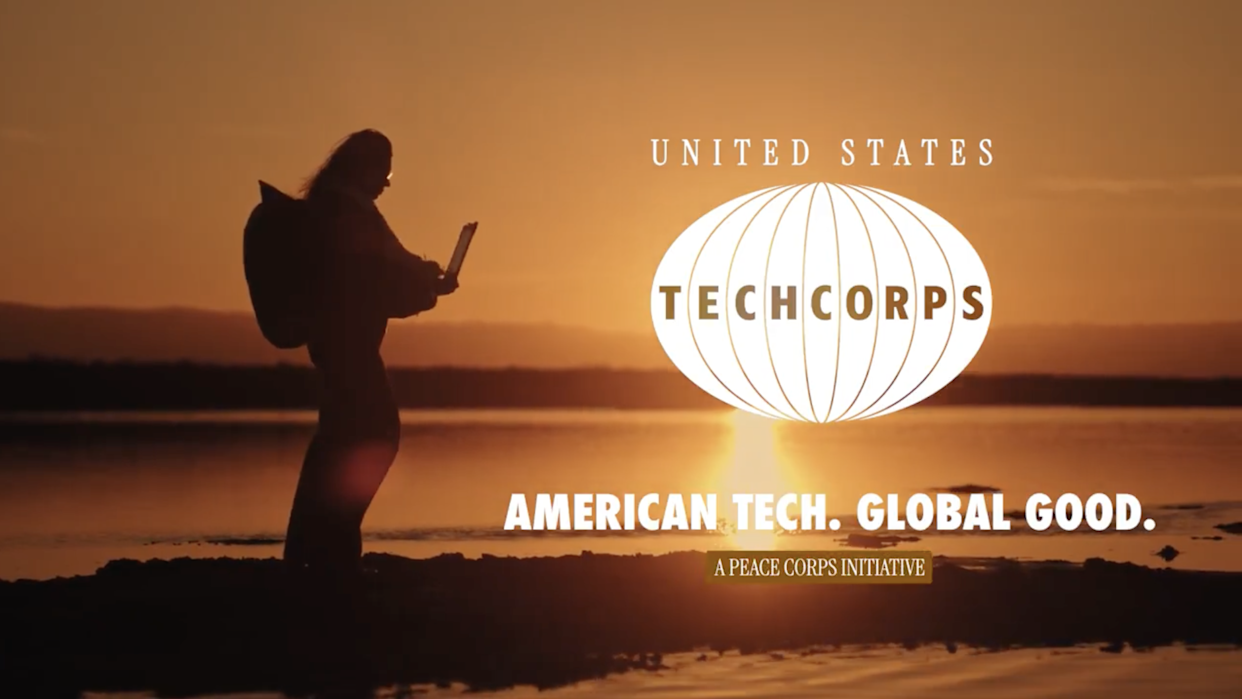
Officials want to start a program like the Peace Corps. They will send tech experts to work with other countries on AI projects. These experts will include software engineers, data scientists and AI specialists. They will help governments and communities use AI tools safely.
The program is meant to help countries adopt AI in areas like agriculture, healthcare and education. The Peace Corps is already talking about this Tech Corps” initiative. They want to send volunteers to work with host countries on AI projects.
Here are some key things about the program:
* Volunteers will work in-person or virtually for one to two years.
* They will focus on building capacity and implementing AI tools.
* The goal is to deploy thousands of volunteers over years.
The United States has reasons for launching this program.
* They want to compete with countries like China in the AI market.
* They want to promote values and approaches to AI governance.
* They want to help countries solve problems with AI.
This program is part of an effort by the US to promote its AI technology and values.
* The White House is talking about exporting American AI technology and promoting AI sovereignty.
* There are plans to create financing vehicles and procurement frameworks to support US firms competing abroad.
The program will send people with tech backgrounds like STEM graduates and AI researchers.
* They will work on projects like building AI tools for crop yield forecasts or natural language support for languages.
* They will receive a living stipend, housing and healthcare.
Some people are concerned about the program.
* They worry that it could be seen as a way for the US to exert influence over countries.
* They worry about the risks of data governance and privacy.
* They worry about the potential for labor market disruption.
Countries that receive help from the Tech Corps may have reactions.
* Some countries may welcome the help especially if it comes with financing or co-design.
* Others may prefer alternatives from countries like China.
The program will face challenges.
* It will be hard to recruit and train the people.
* It will be hard to coordinate with agencies and firms.
* It will be hard to measure the programs success.
Chinas approach to AI is different, from the US approach.
* China focuses on exporting models and deploying them quickly with favorable financing.
* The US Tech Corps aims to compete with people and partnerships offering training and governance-aligned assistance.
9) What success would look like. And things to watch out for
Success looks like this:
* Partner countries use US systems that work well with what they need and can be run by teams for a long time.
* We see improvements in things like healthcare, farming and education that last even after we’re not there to help.
* There’s responsible buying and selling with better data protection and local technical skills.
* US companies win contracts. In a way that helps local capacity not just locks them into one vendor.
Things to watch out for:
* Short-term projects with no lasting impact.
* Projects that make countries depend on US cloud services or consultants without teaching them how to do it themselves.
* Local backlash because they feel pressured to choose US vendors for reasons.
* Exporting US tools that ignore privacy or human rights rules.
10) Governance, oversight and ethics that matter
For Tech Corps to do good than harm we need to get some things right:
* Local co-design and consent: Projects should be locally. Co-designed, with clear ownership and exit strategies.
* Data protection and minimization rules: Deployments must follow data governance standards and ensure data never leaves local jurisdictions unnecessarily.
Some key things to prioritize:
* Local teams should be involved in designing projects. Have a say in how they work.
* We must protect peoples data. Make sure its not shared without a good reason.
* Projects should be open and transparent with evaluations and public reports.
* We should teach teams new skills so they can take over when we’re gone.
* Procurement processes should be fair and transparent to avoid any perception of coercion.
* We need to check for harms and have a plan to fix them if something goes wrong.
11) What’s likely to happen
Based on what officialsre saying here’s what we expect:
* The Peace Corps and OSTP will share information on how to join and what the training will be like.
* There will be discussions on funding and how to make it work across agencies.
* We’ll see some pilot projects in countries that’re friendly to the US and people will be watching to see how they turn out.
* There will be stories in the media and diplomatic channels with other countries like China offering their own ideas.
12) The bottom line. An opportunity, but not a quick fix
The Tech Corps is a significant move that shows the US understands that global AI competition is partly about relationships and implementation on the ground. Sending people to help is a move because it addresses the gap between having good technology and actually using it effectively.
However people alone can’t overcome economic or structural challenges. For Tech Corps to be more than a good idea it needs to be paired with financing, affordable technology and real collaboration with partner countries. Otherwise it risks being a publicity stunt that doesn’t really make a difference.
Further reading
* Peace Corps. Official release on launching Tech Corps.
* White House / OSTP.. Fact sheets on promoting US AI and exports.
* Rest of World. Analysis of US plans for Tech Corps and geopolitical dynamics.
* Bloomberg reporting on Peace Corps and industrial strategy.
* Economic Times / regional press coverage, on proposed scale and intent.