Daksh Pandey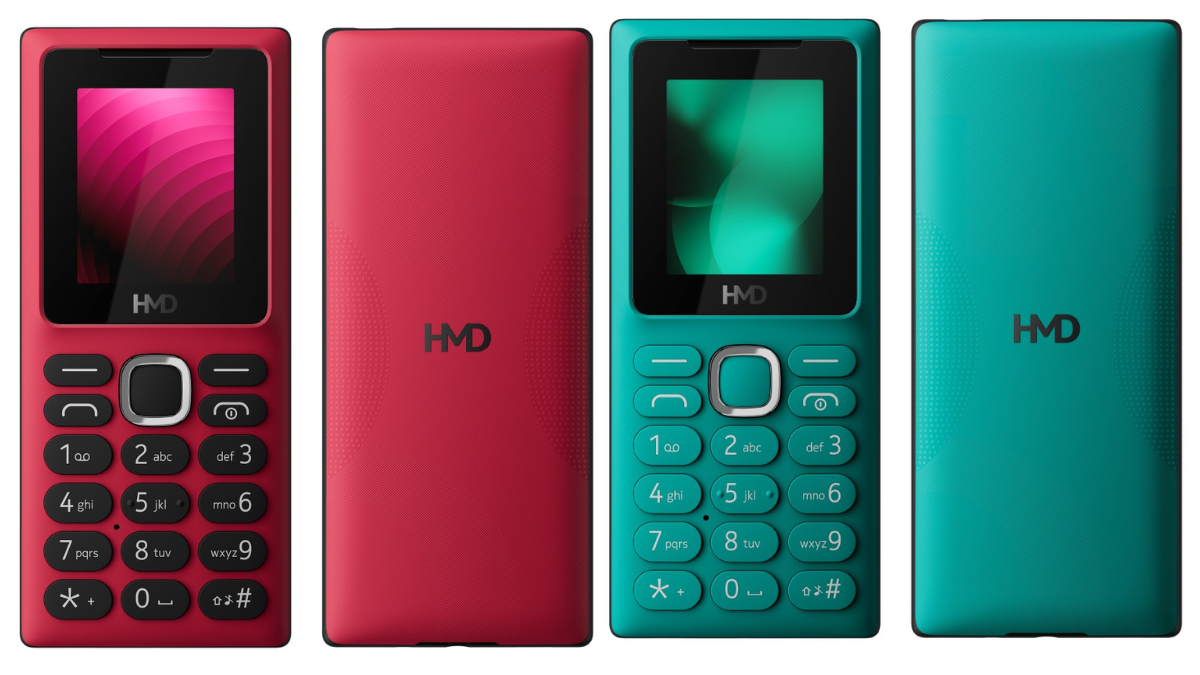
Nokia, HMD Global and Sarvam AI worked together at the India AI Impact Summit 2026 in New Delhi. They announced that Sarvam AIs conversational assistant will be part of Nokia feature phones. This means people can talk to their phone in their language and get help.
1) What was announced
Sarvam AI. Hmd Global showed a conversational assistant that will be on Nokia feature phones. People can talk to it. It will answer in their language. There is a special “AI” button on the phone. They showed how people can use it to ask about government schemes or market prices.
Sarvam AI also talked about how their assistant can work without the internet. This is important for people who do not have internet connections.
2) Why this matters
There are people in India and other countries who use feature phones. These phones are not smartphones. They can still be very useful. If we add AI to these phones many people can use it.
One big problem with AI is that it often only works in English.. Sarvam AIs assistant can work in many Indian languages. This means people can use it even if they do not speak English.
Another good thing about this assistant is that it can work without the internet. This is important for people who live in areas with internet connections. It also helps keep peoples data private.
3) How it can work on low-end phones
Most phones do not have power to run big AI programs.. Sarvam AI and HMD Global can use a few different methods to make it work.
One way is to use a mix of the phones power and the internet. The phone can do things on its own and then use the internet for harder tasks.
Another way is to use models that are designed to work on low-end phones. These models are smaller. Use less power.
4) What people can use it for
People can use the assistant to ask about government schemes or market prices. They can also use it to find services or get help with their phone.
It can even be used for education and health. For example people can ask for health advice or get help with their studies.
5) Benefits
The assistant can help people who do not have smartphones. It can also help people who do not speak English.
It is also good for privacy because it can work without the internet.
6) Limitations and risks
One problem is that the assistant might not work well on all phones. It might also not understand some languages well.
Another problem is that it might give people information. This can be very bad if people are asking about things like health or money.
7) Why the companies are doing this
HMD Global and Nokia want to make their feature phones more useful. They also want to help people in India and other countries who do not have smartphones.
Sarvam AI wants to help people. They also want to make money by selling their assistant to phone companies.
8) How it compares to efforts
Other companies like Google and Apple already have assistants.. They usually only work on smartphones.
Sarvam AI is special because it can work on feature phones and in Indian languages.
9) What happens next
We do not know exactly which phones will get the assistant or when.. Hmd Global and Sarvam AI are working on it. They will announce details soon.
Nokia and HMD Global want to make sure that many people can use the assistant. They also want to make sure it works well and is private.
This is a step for AI, in India and other countries. It can help people and make their lives easier.
Which languages and dialects does Sarvam Edge support? Sarvam Edge has looked at major Indian languages but the complete list of languages and dialects and how good they are was not fully explained in the early press.
Offline vs cloud functionality is something vendors need to make clear. Which features can be used without internet. This is very important because many people in areas do not have good internet.
Pricing and monetization are also important. Will the AI be free with the device. Will phone companies and manufacturers charge for it as a subscription or paid service? This will decide if everyone can use it.
The companies also need to follow the rules and laws of the country. India is changing its rules on AI, data storage and consumer protection so Sarvam and HMD must make sure they are doing everything correctly and transparently.
Here are some potential good and bad effects of Sarvam Edge on society:
effects:
* It can help people in areas and low-income people get access to information and public services.
* It can help preserve languages by providing better tools for them.
* It can help traders and farmers by giving them better access to market information and services.
Bad effects:
* If the assistant gives information about health, finance or legal matters it can harm people. The system needs to show how confident it is in its answers, where it got the information from and have a way to get help from a human.
* There is a risk of surveillance and privacy problems if the voice logs and metadata are not protected well.
* While Sarvam Edge can help reduce the divide it is not enough on its own. People also need digital literacy follow-up services and local institutions to respond to their requests.
What to watch next:
* product pages from HMD and Nokia for exact models and rollout dates.
* Sarvams technical. Whitepaper on Sarvam Edge for more details on the technology.
* Partnerships between Sarvam and Indian phone companies.
* Statements from the government on AI policy and consumer protection.
* Independent. Reviews of Sarvam Edge.
In conclusion the announcement of Sarvam AI and HMD/Nokia at the India AI Impact Summit 2026 is a step towards making AI accessible to more people. Sarvam Edge addresses a problem. Language and connectivity. And shows a shift in the industry towards making AI available on low-cost devices. If Sarvam and HMD can deliver good language understanding, transparent data practices and responsible fallbacks it can have an impact, on millions of people.. The details of the deployment are crucial. Which features work offline, how well does it understand local languages what are the privacy guarantees and how will it be priced. This is an opportunity for governments, NGOs and product teams to make sure the roll-out is inclusive, safe and practical.